Overview
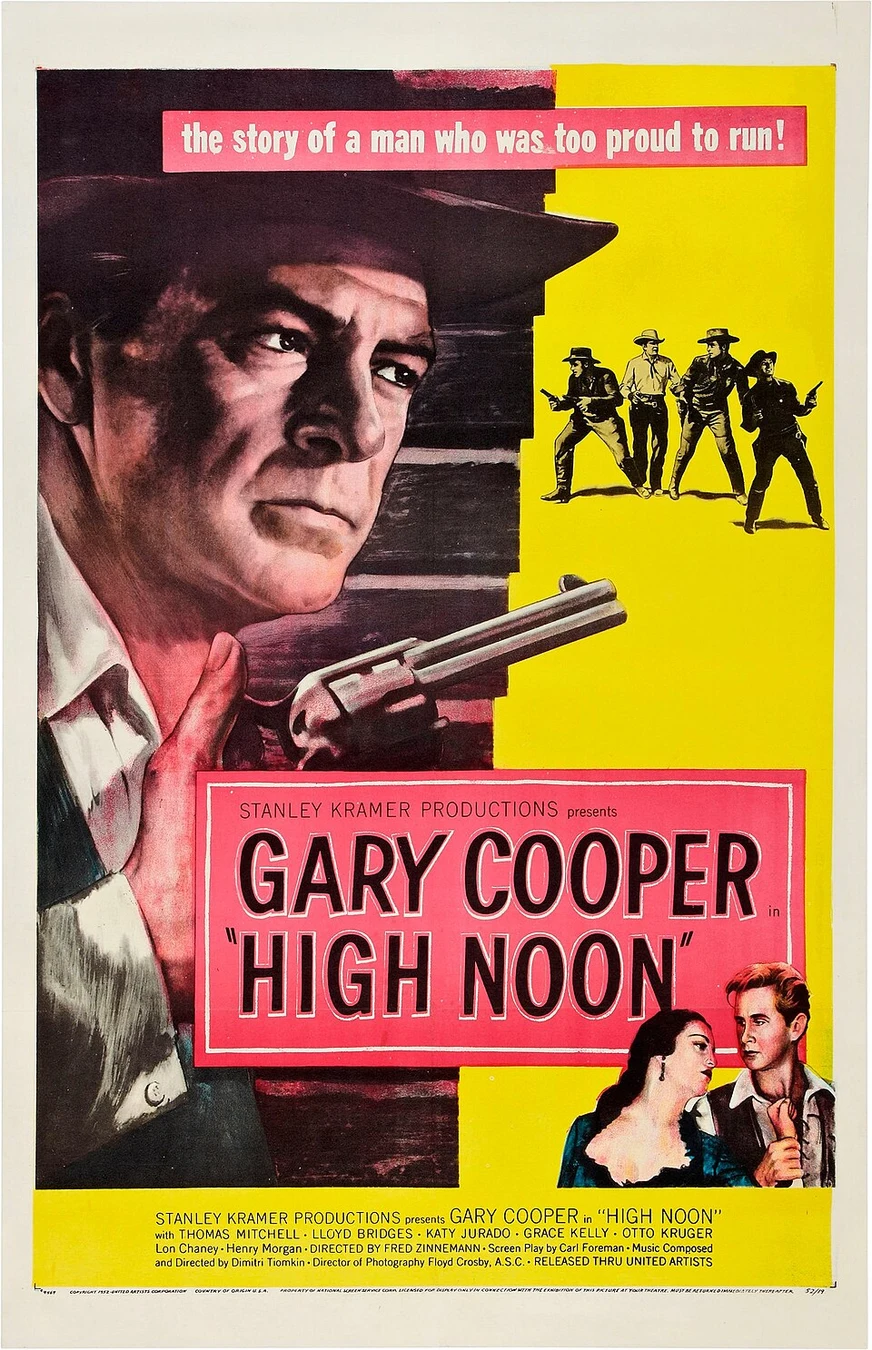
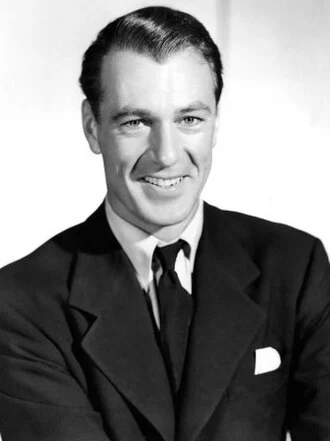
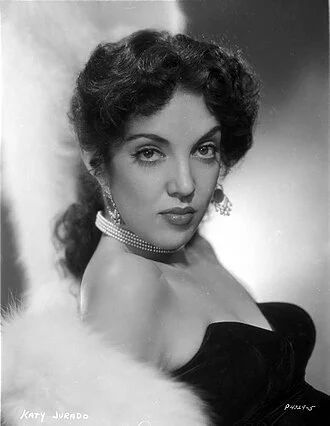
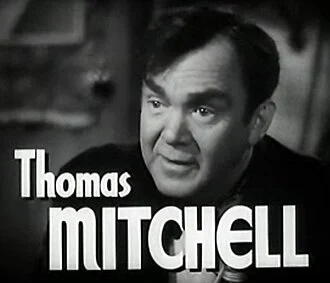
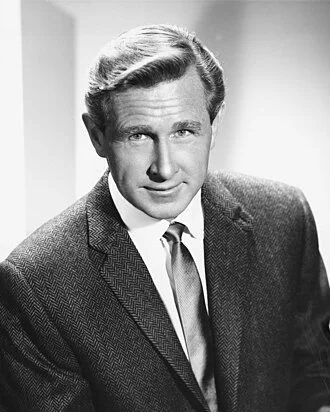
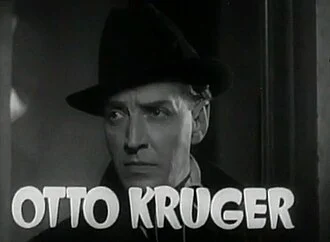
High Noon is a 1952 American Western film directed by Fred Zinnemann, produced by Stanley Kramer, and starring Gary Cooper, Grace Kelly, Katy Jurado, Thomas Mitchell, Lloyd Bridges, and Otto Kruger. The screenplay by Carl Foreman is based on John W. Cunningham's short story "The Tin Star", first published in Collier's magazine in 1947. The plot, which occurs in real time, centers on a town marshal whose sense of duty is tested when he must decide to either face a gang of killers alone, or leave town with his new wife. Upon its release, High Noon received mixed reviews, as critics and audiences expecting typical Western action were surprised by the film's focus on moral and emotional conflict. Despite this, it was a commercial success. Though mired in controversy at the time of its release due to its political themes, the film was nominated for seven Academy Awards and won four, including Best Actor for Cooper, as well as four Golden Globe Awards. In 1989, the film was selected by the Library of Congress as one of the first 25 films for preservation in the United States National Film Registry for being "culturally, historically, or aesthetically significant". Its story and ending have inspired numerous later films, including many westerns.
From Wikipedia contributors · CC BY-SACast & filmmakers
Behind the film
Storyline (spoilers)
In Hadleyville, a small town in New Mexico Territory, Marshal Will Kane, newly married to Amy Fowler, prepares to retire. The happy couple will soon depart to raise a family and run a store in another town. However, word arrives that Frank Miller, a vicious outlaw whom Kane sent to prison, has been released and will arrive by the noon train, one day ahead of the new marshal. Miller's gang—his younger brother Ben, Jack Colby, and Jim Pierce—wait at the station.
Filming
High Noon was filmed in the late summer/early fall of 1951 in several locations in California. The opening scenes, under the credits, were shot at Iverson Movie Ranch near Los Angeles. A few town scenes were shot in Columbia State Historic Park, a preserved Gold Rush mining town near Sonora, but most of the street scenes were filmed on the Columbia Movie Ranch in Burbank. St. Joseph's Church in Tuolumne City was used for exterior shots of the Hadleyville church. The railroad was the old Sierra Railroad in Jamestown, a few miles south of Columbia, now known as Railtown 1897 State Historic Park, and often nicknamed "the movie railroad" due to its frequent use in films and television shows. The railroad station was built for the film alongside a water tower at Warnerville, about 15 miles to the southwest.
Awards
Entertainment Weekly ranked Will Kane on their list of The 20 All Time Coolest Heroes in Pop Culture. In 2006, Writers Guild of America West ranked the Carl Foreman's screenplay 75th in WGA’s list of 101 Greatest Screenplays.
Directed by
Cast
Title details
- Release year
- 1952
- Runtime
- 85 min
- Distributors
- Netflix, United Artists
- Content rating
- PG
- Genres
- Western
Awards and nominations
Awards received (4)
- Academy Award for Best Actor
- Academy Award for Best Film Editing
- Academy Award for Best Original Dramatic or Comedy Score
- National Board of Review: Top Ten Films
Nominations (6)
- Academy Award for Best Actor
- Academy Award for Best Director
- Academy Award for Best Film Editing
- Academy Award for Best Original Dramatic or Comedy Score
- Academy Award for Best Picture
- Academy Award for Best Writing, Adapted Screenplay