Overview
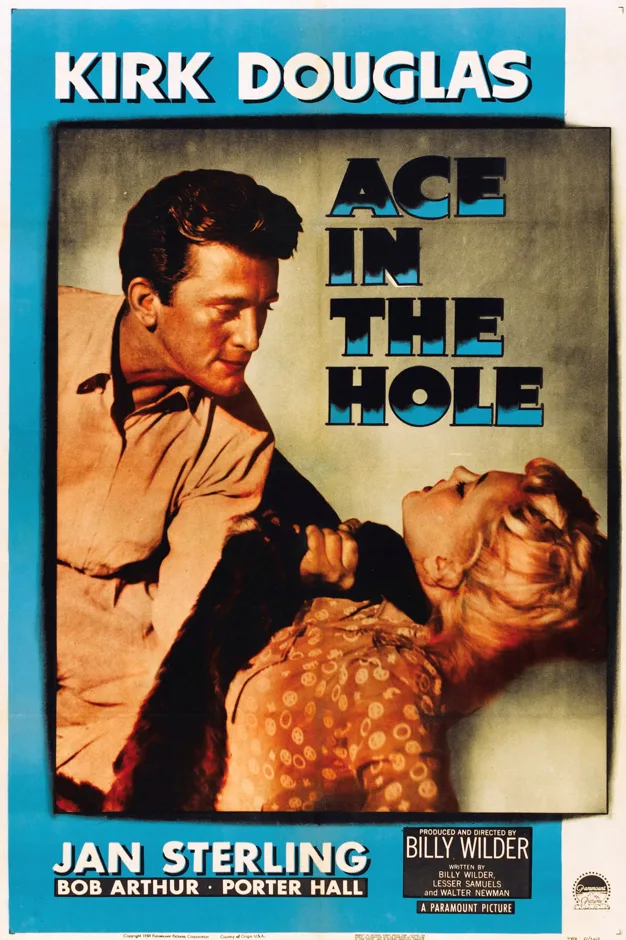
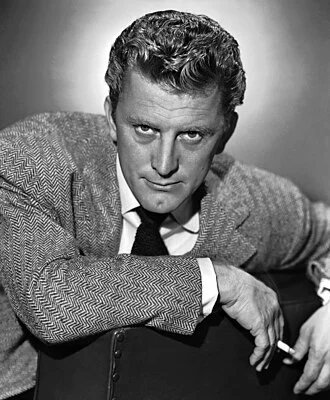
Ace in the Hole, also known as The Big Carnival, is a 1951 American satirical drama film directed, produced, and co-written by Billy Wilder. The film stars Kirk Douglas as a cynical, disgraced reporter who creates a media circus surrounding a man trapped in a cave in rural New Mexico to try to regain a job on a major newspaper. The film co-stars Jan Sterling and features Robert Arthur and Porter Hall. The film marked a series of firsts for Wilder: it was the first time he was involved in a project as a writer, producer, and director; his first film after parting ways with his long-time writing partner Charles Brackett; and his first film to be a critical and commercial failure, though it has since been reappraised as one of his major works. Without consulting Wilder, Paramount Pictures executive Y. Frank Freeman changed the title to The Big Carnival just prior to its release. Early television broadcasts retained that title, but when aired by Turner Classic Movies – and when released on DVD by The Criterion Collection in July 2007 – it reverted to Ace in the Hole. In 2017, the film was selected for preservation in the United States National Film Registry by the Library of Congress as being "culturally, historically, or aesthetically significant". The film is sometimes referred to as a film noir, though author Eddie Muller disputes this.
From Wikipedia contributors · CC BY-SACast & filmmakers
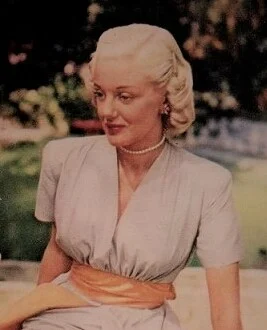
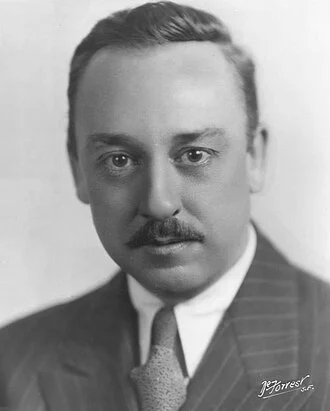
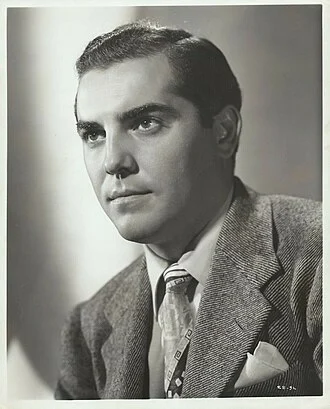
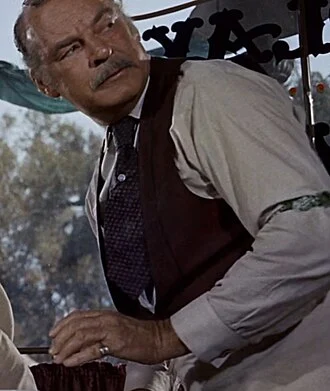
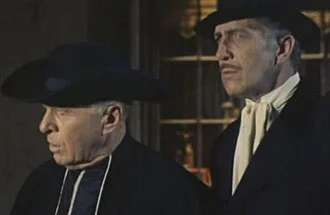
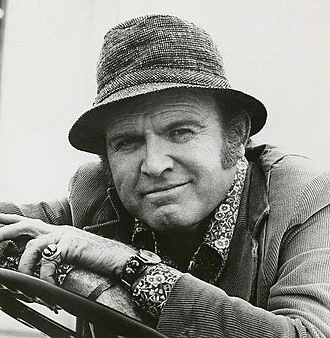
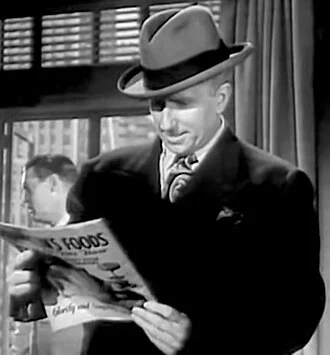
Cast and characters
- Geraldine Hall
- Nellie Federber
- John Berkes
- Papa Minosa
- Frances Dominguez
- Mama Minosa
- Frank Jaquet
- Sam Smollett
- Bob Bumpas
- radio announcer
- Bert Moorhouse
- Josh Morgan
- Iron Eyes Cody
- Indian Copy Boy
Behind the film
Storyline (spoilers)
After being fired from eleven major newspapers due to his behavior, temper, and alcoholism, Charles "Chuck" Tatum winds up in Albuquerque, New Mexico, and offers himself to the publisher of the small Sun-Bulletin. Skeptical of Tatum, editor and publisher Jacob Boot hires him for $60.
Development
The film's plot has similarities with two real-life events that ended in tragedy. The first involved W. Floyd Collins, who in 1925 was trapped inside Sand Cave, Kentucky, following a landslide. The Louisville Courier-Journal jumped on the story by dispatching reporter William Burke Miller to the scene. Miller's enterprising coverage turned the tragic episode into a national event and earned him a Pulitzer Prize. Collins is cited in the film as an example of a cave-in victim who becomes a media sensation. The second event took place in April 1949. Three-year-old Kathy Fiscus of San Marino, California, fell into an abandoned well and, during a rescue operation that lasted several days, thousands of people arrived to watch the action unfold. In both cases, the victims died before they were rescued.
Filming
The final cost of the film was $1,821,052, of which $250,000 was paid to Wilder as writer, producer and director. Its exterior set, (), which was constructed 19 miles west of Gallup, New Mexico, was the largest non-combat set ever constructed at the time. It measured high, wide, and deep and included an ancient cliff dwelling, collapsed cave, roadside stands, parking lots and a carnival site. Underground scenes were filmed in a mock-up at the Paramount Studios on Melrose Avenue in Hollywood. More than 1,000 extras and 400 cars were utilized in the crowd scenes. After the film was completed, Paramount charged admission to the set.
Directed by
Cast
Title details
- Release year
- 1951
- Runtime
- 111 min
- Distributors
- Netflix, Paramount Pictures
- Genres
- Drama
Awards and nominations
Awards received (1)
- National Film Registry
Nominations (2)
- Academy Award for Best Writing, Original Screenplay
- Golden Lion