Overview
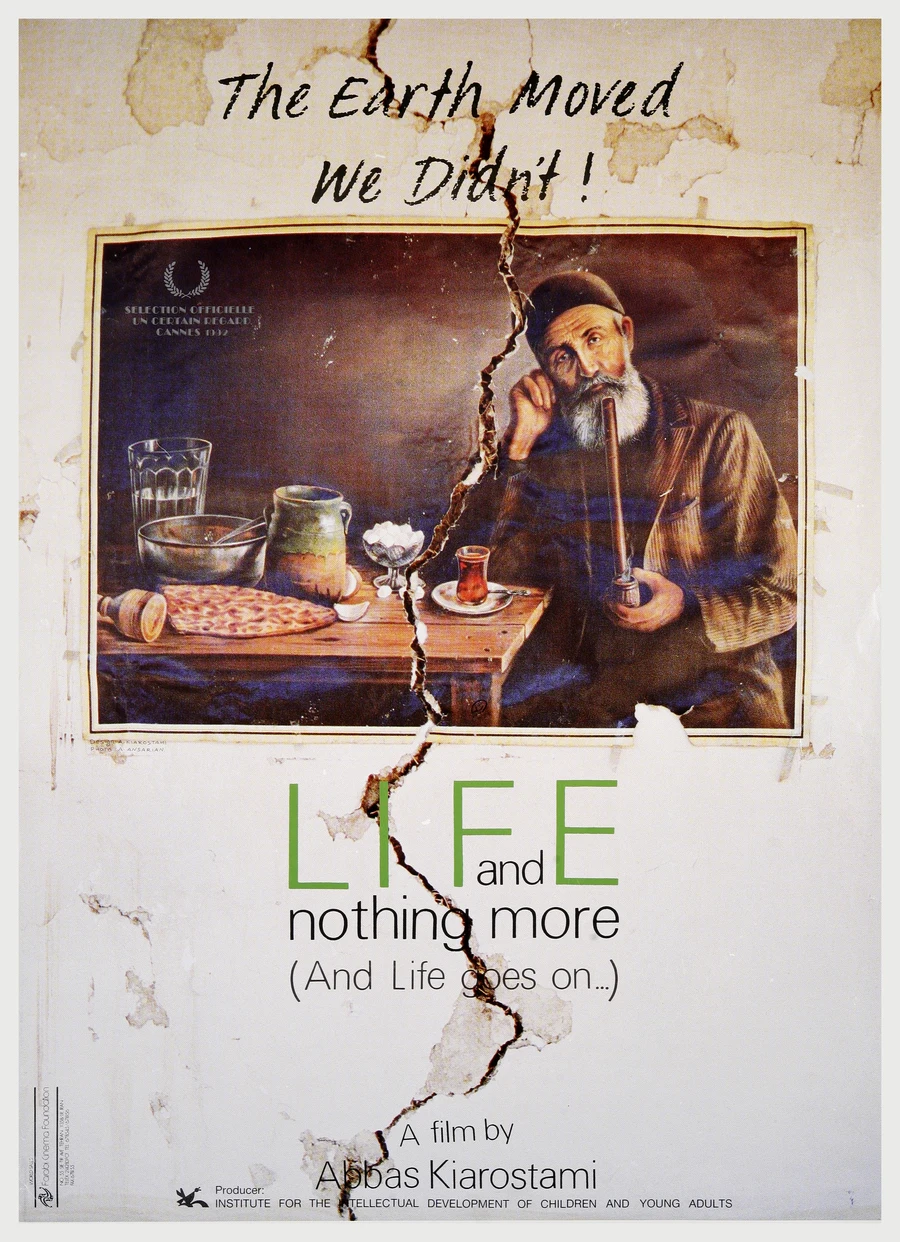
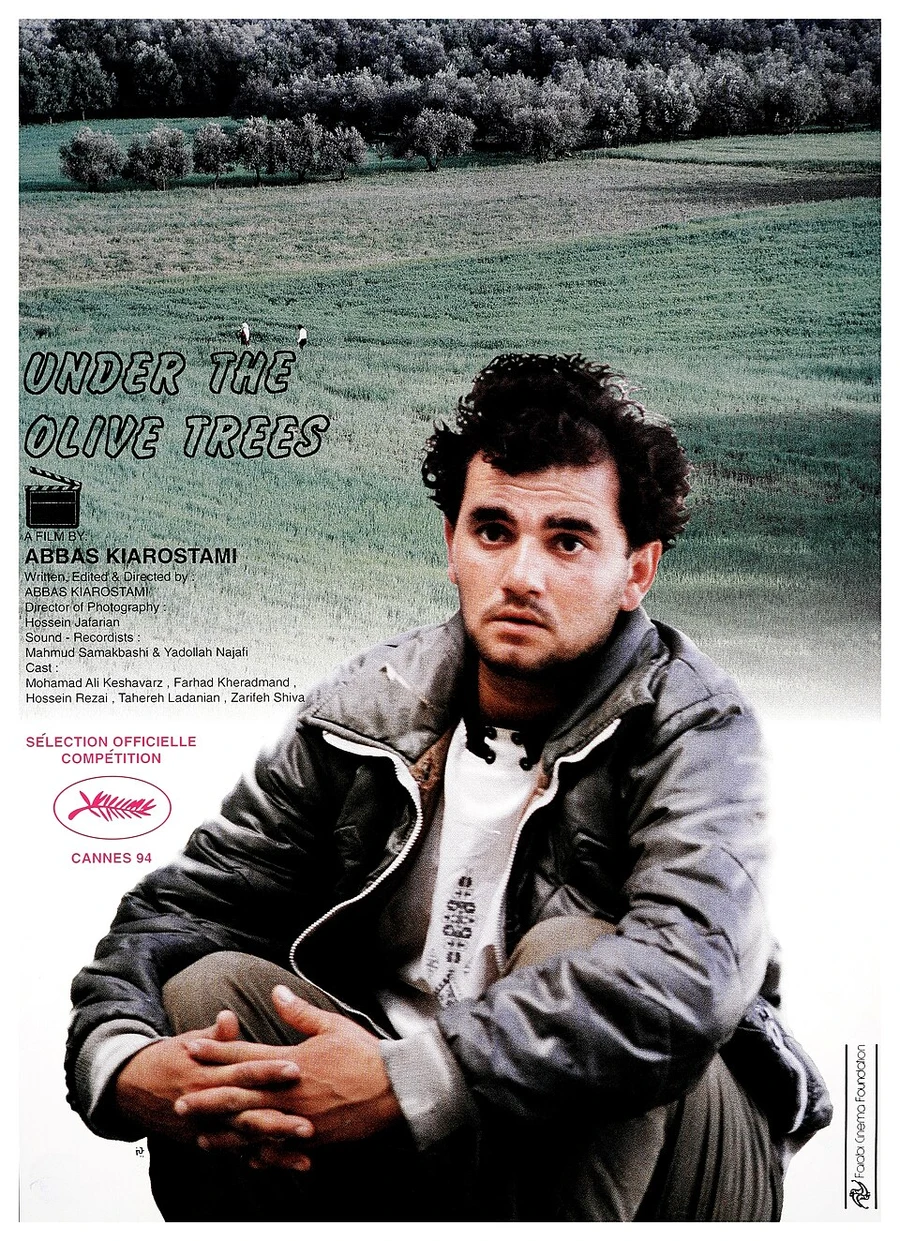
Through the Olive Trees (Persian: زیر درختان زیتون, romanized: Zīr-e Derakhtān-e Zeytūn, lit. 'under the olive trees') is a 1994 Iranian drama film written, produced, edited and directed by Iranian filmmaker Abbas Kiarostami. The final part of Kiarostami's Koker trilogy, the plot, set in earthquake-ravaged Northern Iran, revolves around the production of the second film, And Life Goes On, which itself was a revisitation of the first film, Where Is the Friend's House?. Like much of Kiarostami's work, Through the Olive Trees is filmed in a naturalistic way; a complex study of the link between art and life, its narrative often blurs the boundaries between fiction and reality. The film was selected as the Iranian entry for the Best Foreign Language Film at the 67th Academy Awards, but was not accepted as a nominee.
From Wikipedia contributors · CC BY-SACast & filmmakers

Behind the film
Storyline (spoilers)
Hossein (Hossein Rezai) is a local stonemason-turned-actor. Outside the set of a film in which he is acting, he makes a marriage proposal to his leading lady, a student named Tahereh, who was orphaned by the Manjil-Rudbar earthquake. Because he is poor and illiterate, the girl's family finds his offer insulting; the girl avoids him as a result. She continues evading him even when they are filming, and she seems to have trouble grasping the difference between her role in the film and her real-life self. The fictional couple takes part in what would be the filming of And Life Goes On.
Original title · زیر درختان زیتون
Directed by
Written by
Cast
Title details
- Release year
- 1994
- Runtime
- 103 min
- Genres
- Drama
- Language
- Persian
- Country of origin
- France, Iran
- France theatrical release
- 1995-01-12
- French theatrical visa
- 85550
- Classification in France
- Tous publics