
Overview
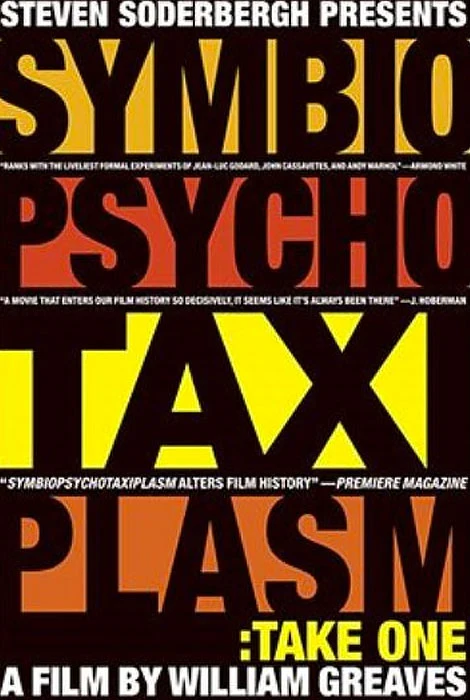
Symbiopsychotaxiplasm: Take One is a 1971 American experimental documentary film written, directed, co-produced and edited by William Greaves. The film is shot and presented in the style of a cinéma vérité documentary, attempting to capture and examine pure reality unhindered by the presence of the cameras all around. It is notable for the inherent layers of metatextual storytelling, with a documentary inside a documentary inside a documentary. In 2015, Symbiopsychotaxiplasm was selected by the United States Library of Congress for preservation in the National Film Registry, deeming it "culturally, historically, or aesthetically significant."
From Wikipedia contributors · CC BY-SACast
Behind the film
Development
Greaves's original concept for the film was to apply Heisenberg's uncertainty principle to a project that he had conceived several years earlier, in which he would follow and document a group of actors undergoing the audition process for an acting job. Finding himself dissatisfied with "Hollywood acting", which he found stiff and forced rather than loose and spontaneous as life tended to be, Greaves attempted to find new and different ways to bring out "reality", one that would not cause his subjects to "act to the camera."
Directed by
Written by
Title details
- Release year
- 1968
- Genres
- documentary film
- Language
- English
- Country of origin
- United States