Overview
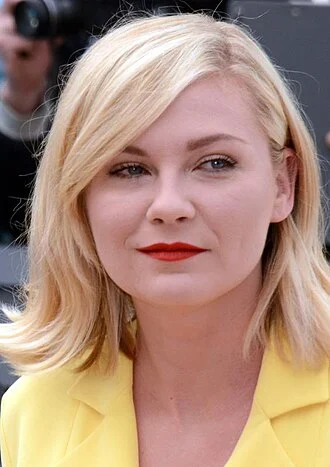
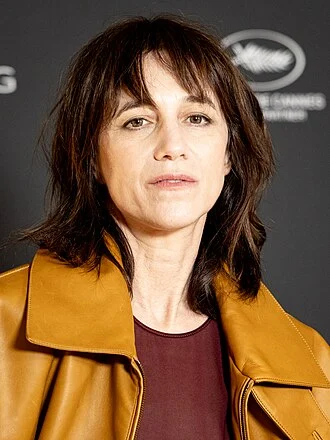
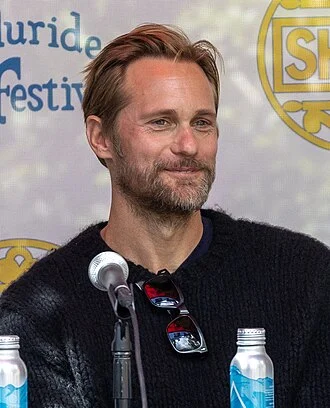
Melancholia is a 2011 science fiction drama film written and directed by Lars von Trier and starring Kirsten Dunst, Charlotte Gainsbourg, and Kiefer Sutherland, with Alexander Skarsgård, Brady Corbet, Cameron Spurr, Charlotte Rampling, Jesper Christensen, John Hurt, Stellan Skarsgård, and Udo Kier in supporting roles. The film's story revolves around two sisters, one of whom marries just before a rogue planet is about to collide with Earth. Melancholia is the second film in Trier's unofficially titled Depression Trilogy. It was preceded in 2009 by Antichrist and followed by Nymphomaniac in 2013. On 18 May 2011, Melancholia premiered at the 64th Cannes Film Festival, where it received critical acclaim and Dunst won the festival's Best Actress Award for her performance, which was a common area of praise among critics. Many critics and film scholars have considered the film to be a masterpiece. Along with Trier's previous film Dogville (2003), it was included in the 2016 poll of the greatest films since 2000 conducted by BBC and has since been featured in various listings of the best films of the 21st century.
From Wikipedia contributors · CC BY-SACast & filmmakers
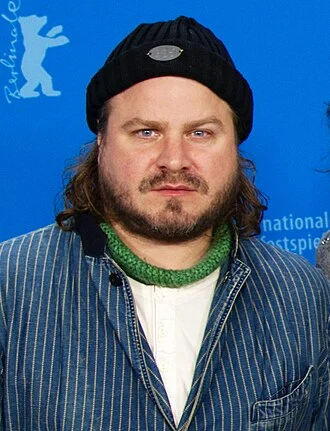
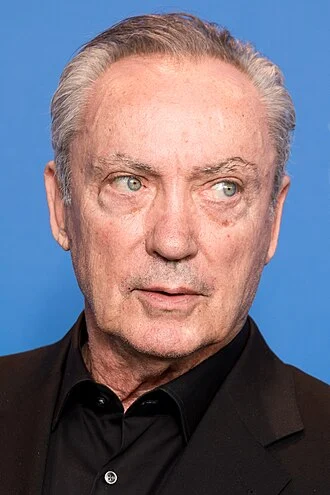
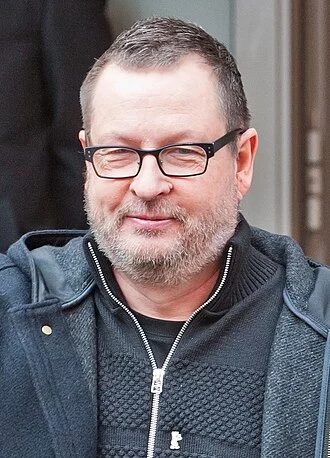
Behind the film
Storyline (spoilers)
The opening sequence showcases extreme slow-motion shots of the main characters, a collapsing horse, falling birds, butterflies, different planets, and images of Earth colliding with a rogue planet.
Development
The idea for the film originated during a therapy session Lars von Trier attended during treatments for his depression. A therapist had told von Trier that depressive people tend to act more calmly than others under heavy pressure, because they already expect bad things to happen. Von Trier then developed the story not primarily as a disaster film, and without any ambition to portray astrophysics realistically, but as a way to examine the human psyche during a disaster.
Filming
Principal photography began 22 July and ended 8 September 2010. Interior scenes were shot at Film i Väst's studios in Trollhättan, Sweden. It was the fourth time von Trier made a film in Trollhättan. Exteriors included the area surrounding the Tjolöholm Castle, in Halland, Sweden. The film was recorded digitally with Arri Alexa and Phantom cameras. Von Trier employed his usual directing style with no rehearsals; instead the actors improvised and received instructions between the takes. The camera was initially operated by von Trier, and then left to cinematographer Manuel Alberto Claro who repeated von Trier's movements. Claro said about the method: "[von Trier] wants to experience the situations the first time.
Awards
Film Comment magazine listed Melancholia third on its Best Films of 2011 list. The film also received 12 votes—seven from critics and five from directors—in the British Film Institute's 2012 Sight & Sound poll of the greatest movies ever made, making it one of the few films of the 21st century to appear within the top 250. In 2019, Time listed it as one of the best films of the 2010s decade, while Cahiers du cinéma named it the eighth best film of the 2010s. That same year, Vulture named Melancholia the best film of the 2010s. In 2025, it ranked number 84 on The New York Times list of "The 100 Best Movies of the 21st Century" and was one of the films voted for the "Readers' Choice" edition of the list, finishing at number 118.
Directed by
Written by
Cast
Title details
- Release year
- 2011
- Runtime
- 136 min
- Genres
- Drama
- Language
- English, Swedish
- Country of origin
- Germany, Denmark, France, Italy, Sweden
- France theatrical release
- 2011-08-10
- French theatrical visa
- 126761
- Classification in France
- Tous publics
- Title in Brazil
- Melancolia
- Brazil theatrical release
- 2011-08-05
- Brazilian film certificate
- E1402417400000
- Distributor in Brazil
- Califórnia