Overview
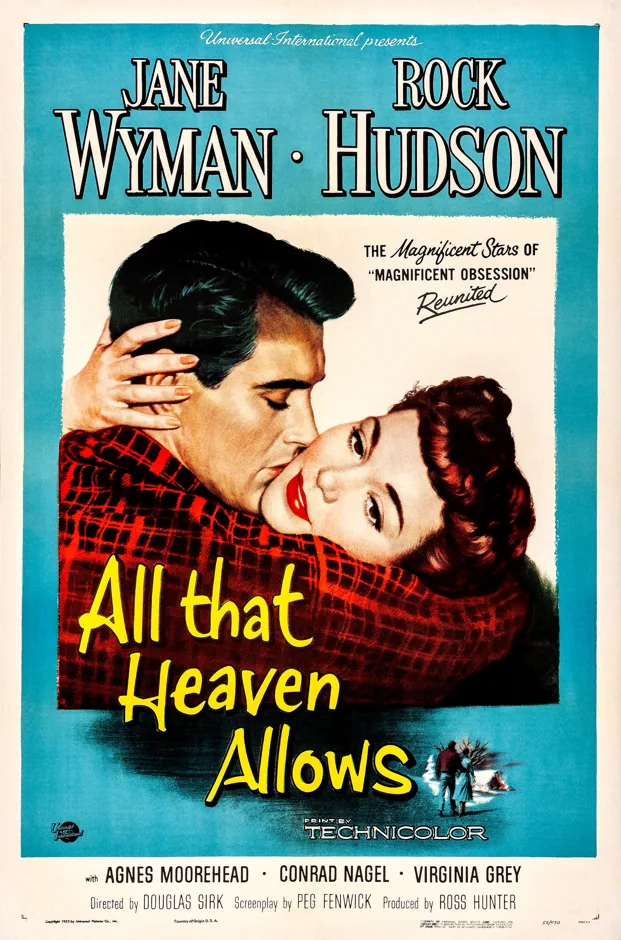
All That Heaven Allows is a 1955 American melodrama film directed by Douglas Sirk, produced by Ross Hunter, and adapted by Peg Fenwick from a story by Edna L. Lee and Harry Lee. It stars Jane Wyman and Rock Hudson in a tale about the social complications that arise following the development of a romance between a well-to-do widow and a younger poorer man. In 1995, the film was selected for preservation in the United States' National Film Registry.
From Wikipedia contributors · CC BY-SACast & filmmakers

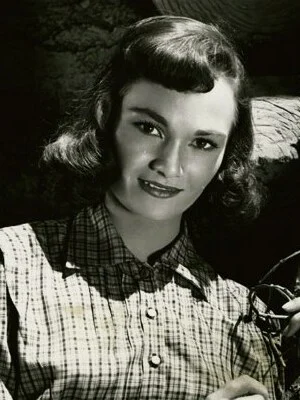
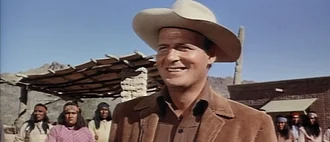
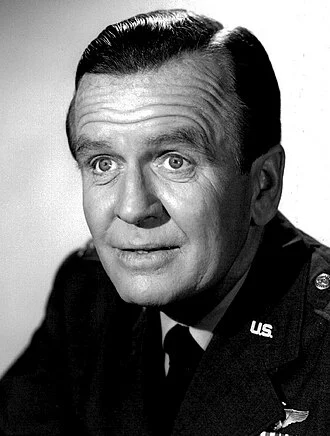
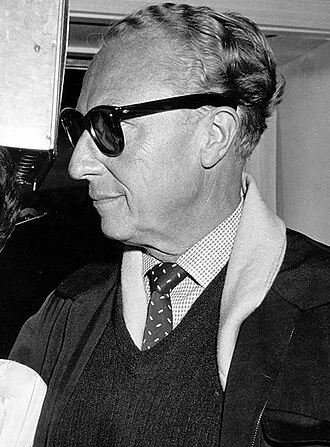
Behind the film
Storyline (spoilers)
Cary Scott is an affluent widow in the town of Stoningham, in suburban New England, whose social life revolves around the weekend visits of her college-age son and daughter, her best friend's country-club activities, and a few men vying for her affection. Feeling stuck in a rut, she becomes interested in Ron Kirby, her arborist. He is an intelligent, down-to-earth, and respectful, yet passionate, younger man, and she discovers he is content with his simple life outside the materialistic society in which they live. Ron introduces Cary to his friends, Alida and Mick Anderson, who seem to have no need for wealth or status, and their exuberance provides a welcome contrast to her staid existence.
Development
After the success of Magnificent Obsession in 1954, Universal-International Pictures wanted Sirk to make another film starring Wyman and Hudson. He found the screenplay for All That Heaven Allows "rather impossible", but was able to restructure it and use the big budget to film and edit the work exactly the way he wanted.
Filming
Some exteriors for the film were shot on "Colonial Street", a studio backlot built by Paramount Pictures on the property of Universal Studios four years earlier and used in the film The Desperate Hours. The set was re-designed to mimic an upper-middle class New England town. The film contains only one visible crane shot, when the camera scans over the fictional town of Stoningham during the opening credits. Tracking and dollying shots were used frequently for interior shots. The set was later featured on the television series Leave It to Beaver.
Directed by
Cast
Title details
- Release year
- 1955
- Runtime
- 89 min
- Based on
- All That Heaven Allows
- Distributors
- Netflix, Universal Pictures
- Genres
- Romance, Drama