Overview
The Grand Budapest Hotel is a 2014 comedy-drama film written and directed by Wes Anderson. The film's seventeen-actor ensemble cast is led by Ralph Fiennes as Monsieur Gustave H., famed concierge of a twentieth-century mountainside resort in the fictional country of Zubrowka. After being framed for the murder of a wealthy dowager (Tilda Swinton), he and his recently befriended protégé Zero (Tony Revolori) embark on a quest for fortune and a priceless Renaissance painting amidst the backdrop of an encroaching fascist regime. Anderson's American Empirical Pictures produced the film in association with Studio Babelsberg, Fox Searchlight Pictures, and Indian Paintbrush's Scott Rudin and Steven Rales. Fox Searchlight supervised the commercial distribution, and The Grand Budapest Hotel's funding came from Indian Paintbrush and German government-funded tax rebates. Anderson and longtime collaborator Hugo Guinness conceived The Grand Budapest Hotel as a fragmented tale following a character inspired by a mutual friend. They initially struggled in brainstorming, but the experience sightseeing in Europe and researching the literature of Austrian novelist Stefan Zweig shaped their vision for the film. The Grand Budapest Hotel draws visually from Europe-set mid-century Hollywood films and the United States Library of Congress's photochrom print collection of alpine resorts. Filming took place in eastern Germany from January to March 2013. Alexandre Desplat composed the film's Russian folk-inspired soundtrack, expanding on his earlier work with Anderson. The film explores themes of fascism, nostalgia, friendship, and loyalty. Further discourse analyzes color as a storytelling device. The Grand Budapest Hotel premiered in competition at the 64th Berlin International Film Festival on February 6, 2014. It was released in theaters in March to widespread critical acclaim, and became Anderson's highest-grossing film by amassing $175.9 million worldwide at the box office. The film was nominated for nine awards at the 87th Academy Awards including Best Picture, winning four, and received numerous other accolades. Since its release, The Grand Budapest Hotel has been assessed as one of the greatest films of the twenty-first century. In 2025, the film was selected by the Library of Congress for preservation in the National Film Registry as being "culturally, historically, or aesthetically significant".
From Wikipedia contributors · CC BY-SACast & filmmakers
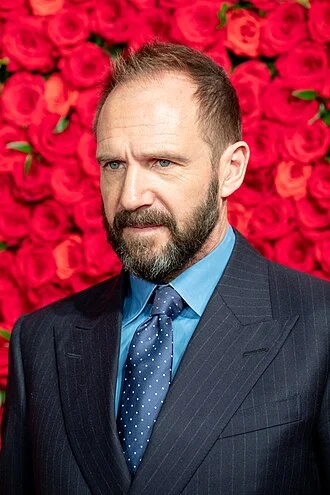
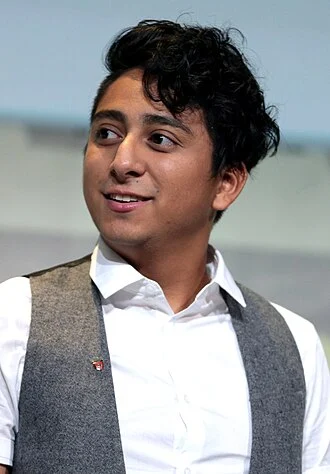
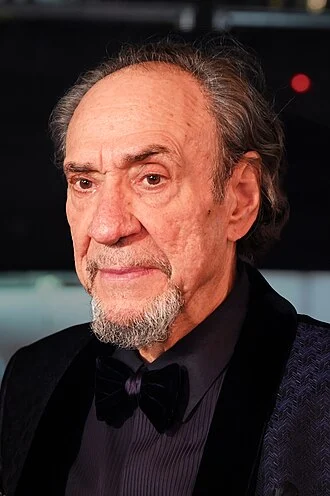
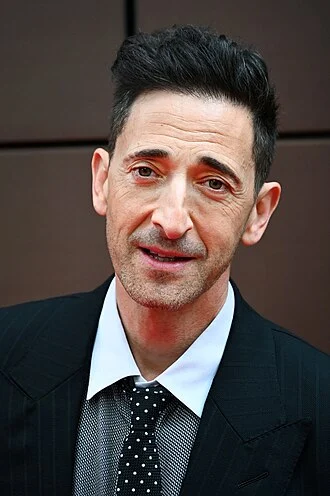
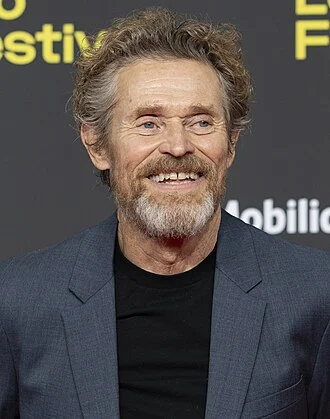
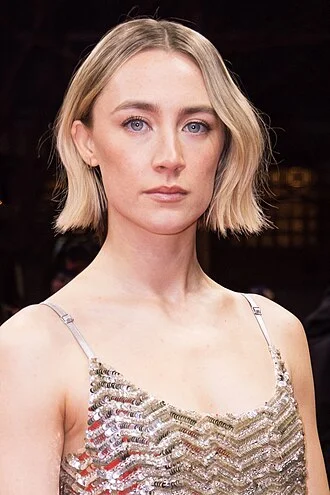
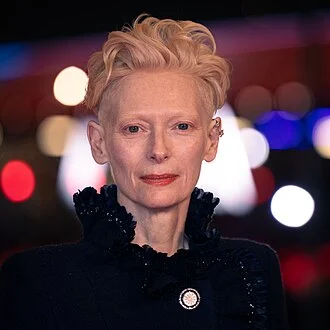
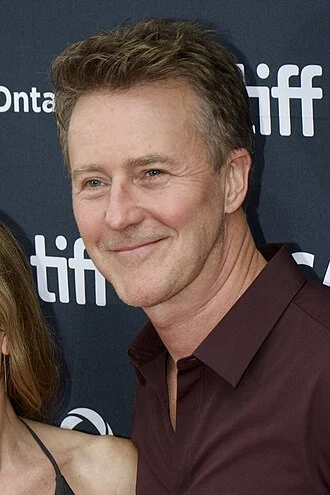
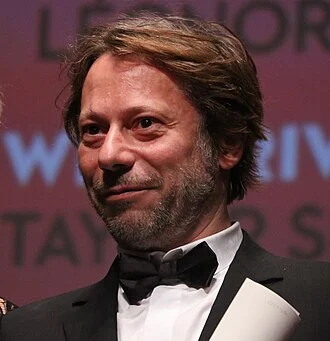
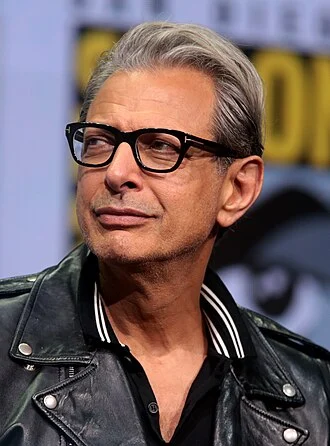
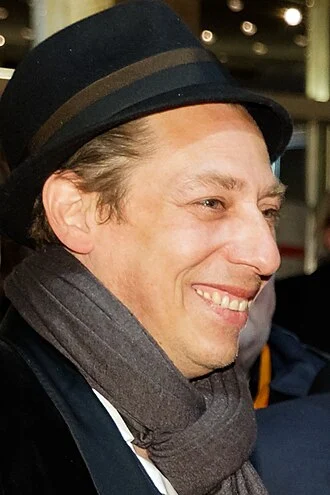
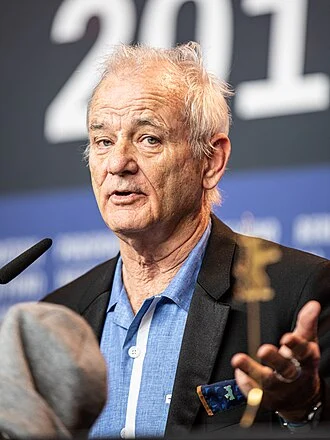
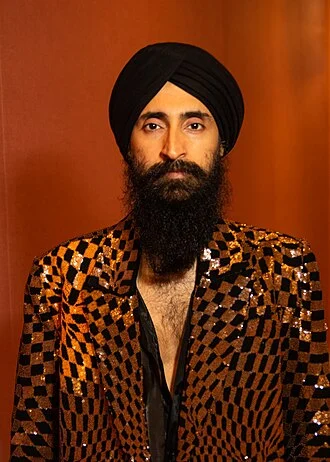
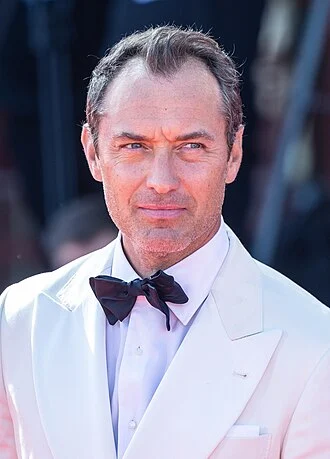
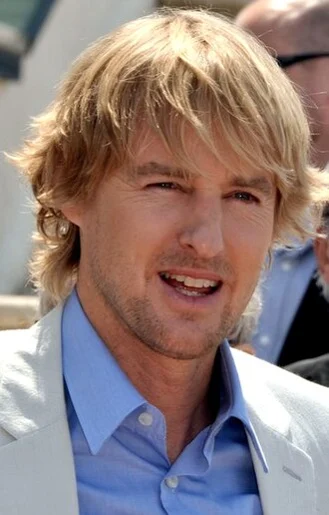
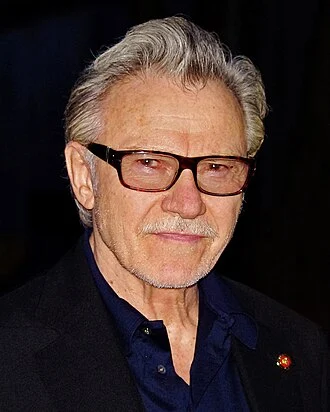
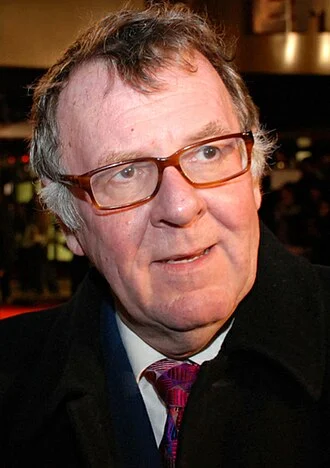
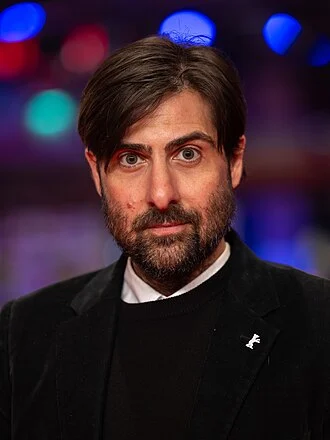
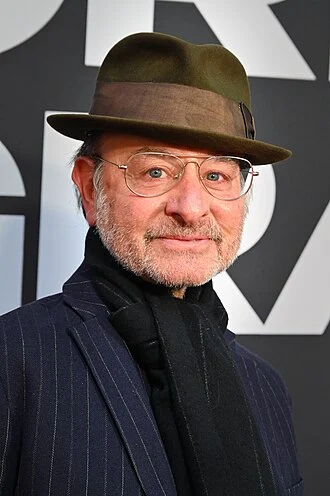
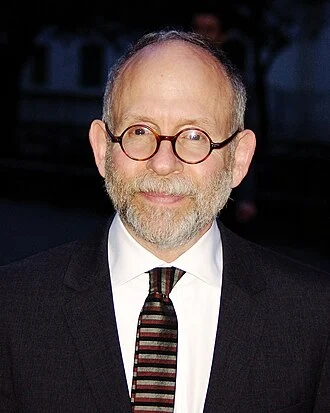
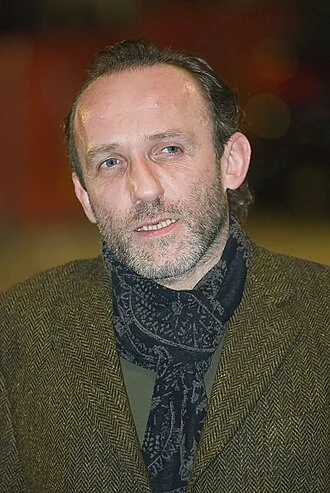
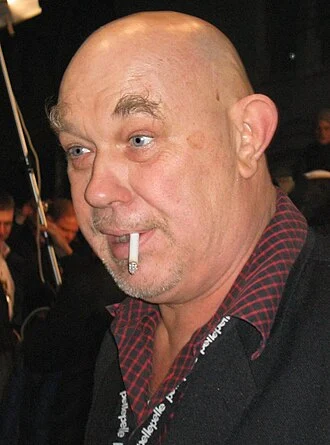

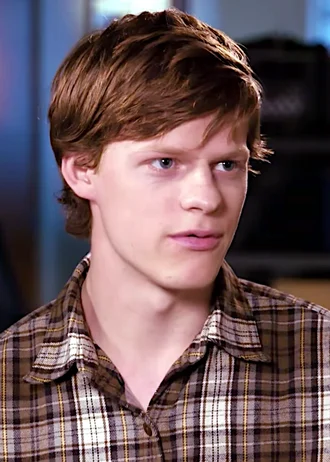
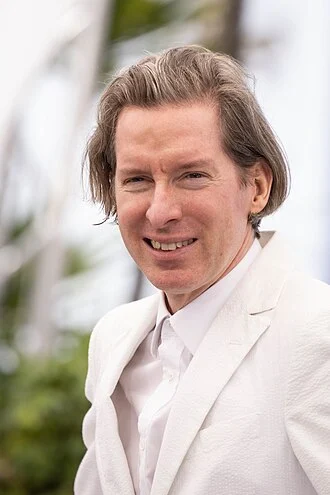
Cast and characters
Film poster
Numbered portraits hang in rows like hotel keys. The building and gold title occupy the panel where a concierge's desk might sit.
Poster source · Vybpedia article · Film publicity artworkBehind the film
Storyline (spoilers)
In a cemetery in the former nation of Zubrowka, a young woman visits the shrine of a renowned writer, known simply as "Author", carrying a copy of his bestselling novel The Grand Budapest Hotel. The book, written in 1985, recounts the author's 1968 visit to the once lavish, then drab Grand Budapest Hotel as he suffered from writer's block. There he meets its proprietor, Zero Moustafa, who divulges his rags to riches story over dinner.
Development
Drafting of The Grand Budapest Hotel story began in 2006, when Wes Anderson produced an 18-page script with longtime collaborator Hugo Guinness. They imagined a fragmented tale of a character inspired by a mutual friend, based in modern France and the United Kingdom. Though their work yielded a 12-minute-long cut, collaboration stalled when the two men were unable to coalesce a uniform sequence of events to advance their story. Anderson also used period images and urbane Europe-set mid-century Hollywood comedies as references. He pursued the idea of a historical pastiche out of ambivalence to Hollywood's depiction of pre-World War II European history. Once The Grand Budapest Hotel took definite form, Anderson resumed the scriptwriting, finishing the screenplay in six weeks.
Filming
The project was director of photography Robert Yeoman's eighth film with Anderson. Yeoman participated in an early scouting session with Anderson, recording footage with stand-in film crew to assess how certain scenes would unfold. Yeoman drew on Vittorio Storaro's dramatic lighting techniques in the romantic musical One from the Heart (1982). Filmmakers shot The Grand Budapest Hotel in ten weeks, where it qualified for a tax rebate financed by the German government's Federal Film Fund and Medienboard Berlin-Brandenburg. They also found Germany attractive because the production base was geographically confined, facilitating efficient logistics, but the frigid weather and reduced daylight of early winter disrupted the shooting schedule, compounded by the slow film stock used for the camerawork. To rectify the issue, the producers used artificial lighting, expedited the daytime work schedule, and filmed night scenes at dusk.
Box office
The Grand Budapest Hotel was considered a surprise box office success. The film's performance plateaued in North America after a strong start, but finished the theatrical run as Anderson's highest-grossing film in the region. It performed strongest in key European and Asian markets. The Grand Budapest Hotel earned $59.3 million (34.3 percent of its earnings) in the United States and Canada and $113.7 million (65.7 percent) overseas, for a worldwide total of $173 million, and Anderson's highest-grossing film to date.
Awards
The Grand Budapest Hotel was not an immediate favorite to dominate the 87th Academy Awards season. The film's early March opening was thought to deter any chance of Oscar recognition, for scheduling a fall release was the usual practice for studios positioning their films for awards attention. Even so, US critics spread their honors for The Grand Budapest Hotel when compiling their end-of-year lists, and the film soon gained momentum thanks to a sustained presence in the award circuit. At the Academy Award season, the film received nominations for Best Picture, Best Director, Best Original Screenplay, Best Cinematography, and Best Film Editing; and won Best Original Score, Best Production Design, Best Makeup and Hairstyling, and Best Costume Design.
Directed by
Written by
Cast
Title details
- Release year
- 2014
- Runtime
- 99 min
- Film series
- BBC's 100 Greatest Films of the 21st Century
- Production companies
- American Empirical Pictures, Babelsberg Film GmbH, Indian Paintbrush, TSG Entertainment
- Distributors
- Disney+, Fandango, InterCom, Netflix, Searchlight Pictures
- Content rating
- R
- Genres
- Drama, Comedy
- Language
- English
- Country of origin
- Germany, United States
- France theatrical release
- 2014-02-26
- French theatrical visa
- 138970
- Classification in France
- Tous publics
- Netflix reported views
- 4,300,000 · The Grand Budapest Hotel · 2026 H1
- Title in Brazil
- O Grande Hotel Budapeste
- Brazil theatrical release
- 2014-07-03
- Brazilian film certificate
- E1500119000000
- Distributor in Brazil
- Fox
Awards and nominations
Awards received (5)
- Academy Award for Best Costume Design
- Academy Award for Best Makeup and Hairstyling
- Academy Award for Best Original Score
- Academy Award for Best Production Design
- Silver Bear Grand Jury Prize
Nominations (9)
- Academy Award for Best Cinematography
- Academy Award for Best Costume Design
- Academy Award for Best Director
- Academy Award for Best Film Editing
- Academy Award for Best Makeup and Hairstyling
- Academy Award for Best Original Score
- Academy Award for Best Picture
- Academy Award for Best Production Design
- Academy Award for Best Writing, Original Screenplay