Overview
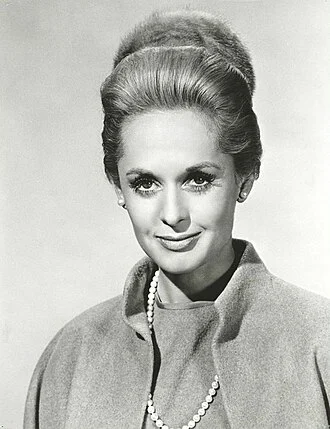
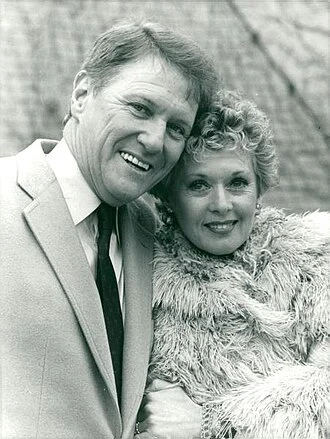
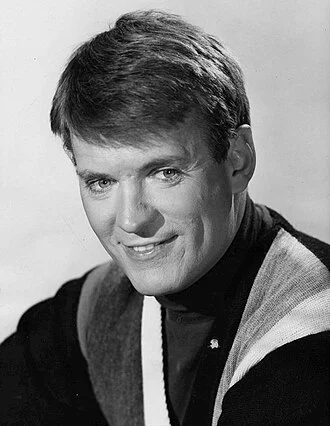
Roar is a 1981 American adventure comedy film written and directed by Noel Marshall. Its plot follows Hank, a naturalist who lives on a nature preserve in Africa with lions, leopards, tigers, and other big cats. When his family visits him, they are instead confronted by the group of animals. The film stars Marshall as Hank, his real-life wife Tippi Hedren as his wife Madeleine, with Hedren's daughter Melanie Griffith and Marshall's sons John and Jerry Marshall in supporting roles. In 1969, while Hedren was filming Satan's Harvest in Mozambique, she and Marshall had occasion to observe a pride of lions move into a recently vacated house, driven by increased poaching. They decided to make a film centered around that theme, with production starting when the first script was completed in 1970. They began bringing rescued big cats into their homes in California and living with them. Filming began in 1976; it was finished after five years. The film was fully completed after 11 years in production. Roar was not initially released in North America. Instead, in 1981, Noel and John Marshall released it internationally. It was also acquired by Filmways Pictures and Alpha Films. Despite performing well in Germany and Japan, Roar was a box office failure, grossing $2 million worldwide against a $17 million budget. In 2015, 34 years after the film's original release, it was released in theaters in the United States by Drafthouse Films. Roar's message of protection for African wildlife as well as its animal interactions were praised by critics, but its plot, inconsistent tone, dialogue, and editing were criticized. During production, the cast and crew members faced dangerous situations: 72 people, including the film's stars, were injured in attacks from the untrained animals on set. Flooding from a dam destroyed much of the set and equipment, dramatically increasing the film's budget. In 1983, Hedren founded the Roar Foundation and established the Shambala Preserve sanctuary, to house the animals appearing in the film. She also wrote a book, The Cats of Shambala (1985), about the events that took place during its production. The film has been described as "the most dangerous film ever made" and "the most expensive home movie ever made", and has gained a cult following.
From Wikipedia contributors · CC BY-SACast & filmmakers

Behind the film
Storyline (spoilers)
American naturalist Hank lives on a nature preserve in Tanzania with a collection of big cats to study their behavior. Although he is due to pick up his wife Madeleine and their children John, Jerry, and Melanie from the airport to bring them to his home, he is delayed by his friend Mativo, warning him that a committee is coming to review his grant. As he shows Mativo around his ranch and the rest of the preserve while they wait, Hank explains the nature of the lion pride and their fear of Togar, a rogue lion who often quarrels with the pride's leader, Robbie. Hank asks Mativo to help keep the pride safe.
Development
Roar was conceived by husband and wife Noel Marshall and Tippi Hedren in 1969. Marshall was Hedren's talent agent while she starred in Satan's Harvest, which was filmed in Mozambique. Near the film set, they came across an abandoned plantation house in Gorongosa National Park which had been overrun by a pride of lions, and were told by their bus guide and local residents that animal populations were becoming endangered due to poaching; this inspired them to consider making either one or a series of films.
Filming
Principal photography began on October 1, 1976, and was initially scheduled to last for six months, but filming was restricted to five months at a time because the cottonwood trees on set turned brown from November until March. Filming the big cats was difficult and frustrating; cinematographer Jan de Bont often spent hours setting up five cameras and waiting for the cats to do something that could be included in the film. One scene where Marshall and Mativo drive a 1937 Chevrolet containing two tigers took seven weeks to complete, because Glassey and Miller had to train the animals to ride in a car. Marshall often refused to stop filming because he did not want to lose a take; sometimes only one take was usable from a day's filming.
Box office
Roars worldwide gross (excluding the U.S.) was less than $2 million against its $17 million budget, Hedren had predicted that it would be a hit, projecting a gross of $125–150 million, and claimed in 1982 that it was making $1 million a month. The film was popular and received most of its revenue in West Germany and Japan.
Directed by
Written by
Cast
Title details
- Release year
- 1981
- Runtime
- 102 min
- Distributors
- Filmways, Netflix
- Content rating
- PG
- Genres
- Adventure, Comedy
- Language
- English
- Country of origin
- United States