Overview
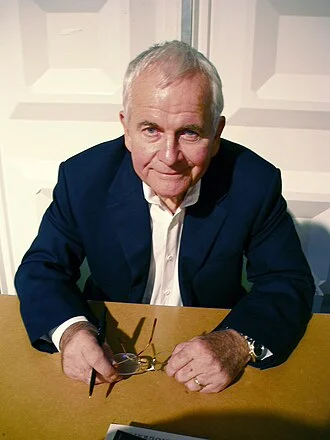
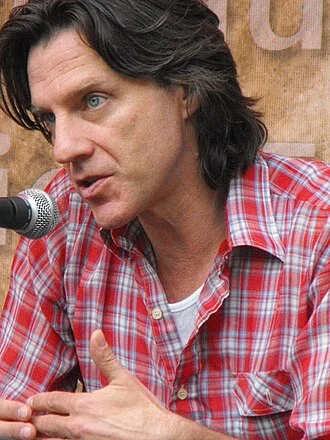
Wisconsin Death Trip is a 1999 docudrama film written for the screen and directed by James Marsh, based on the 1973 historical nonfiction book of the same name by Michael Lesy. The film dramatizes a series of macabre incidents that took place in and around Black River Falls, Wisconsin in the late-19th century. It utilizes silent black-and-white reenactment footage contrasted with contemporary color footage of the region, along with voice-over narration by Sir Ian Holm, orating contemporaneous newspaper articles written about the occurrences. Music featured in the film includes DJ Shadow and John Cale. Marsh began developing a documentary film adaptation of Lesey's book after moving to the United States in 1995. The film was produced over approximately four years, with Marsh intermittently shooting the reenactment footage on location in Wisconsin over a one-and-a-half-year period. The film opened at the Telluride Film Festival in September 1999 before being released theatrically at New York City's Film Forum in December 1999. It premiered on Cinemax on July 4, 2000. In the United Kingdom, the film was shown on the BBC as part of the documentary series Arena, who had originally helped finance the project. Wisconsin Death Trip was largely met with critical praise, particularly for its cinematography; however, some film critics criticized its structure and inclusion of modern-day footage. The film received several accolades, including two BAFTA Television Award nominations; cinematographer Eigil Bryld won the award in the category of Best Photography.
From Wikipedia contributors · CC BY-SACast & filmmakers
Behind the film
Storyline (spoilers)
Between 1890 and 1900 in northern Wisconsin, a series of bizarre events begin to occur amongst the local population (largely German, Swedish, and Norwegian immigrants) after the closure of several mines in the area, in conjunction with a collapse of the local economy and liquidation of banks. Several infants are abandoned by their parents, while a diphtheria epidemic claims the lives of numerous children. A local schoolteacher, Mary Sweeny, is institutionalized after going on a rampage breaking the windows of numerous homes and buildings while under the influence of cocaine. Meanwhile, a young deaf and mute boy shoots his little sister to death with a pistol. The wife of a German immigrant is mysteriously found frozen to death six miles outside of Black River Falls, after mourning the death of her own child.
Development
Documentary filmmaker James Marsh began developing a docudrama film adaptation of Michael Lesy's 1973 nonfiction book of the same name after moving to the United States in 1995. Prior to this, Marsh had produced works for the BBC series Arena. The BBC provided seed money to help finance Wisconsin Death Trip, and Marsh also acquired funding from a Norwegian American immigrant fund in the United States.
Filming
By Marsh's account, Wisconsin Death Trip was a protracted process: "I did it in episodes. I'd shoot in one season. And then reflect on what I'd done and go shoot some more the next season. Then run out of money. Then go back again." To shoot the reenactment footage featured in the film, Marsh hired Danish cinematographer Eigil Bryld, with whom his wife had attended school in Denmark. Approximately nine and a half weeks of shooting occurred over a year-and-a-half period throughout Wisconsin, in the cities of Green Bay, Milwaukee, Cassville, and Appleton. A total of 65 local actors were employed to perform in the reenactment footage.
Directed by
Written by
Cast
Title details
- Release year
- 1999
- Runtime
- 76 min
- Genres
- Drama, Historical Film, Documentary
- Language
- English
- Country of origin
- United Kingdom, United States
 Trailer still