Overview
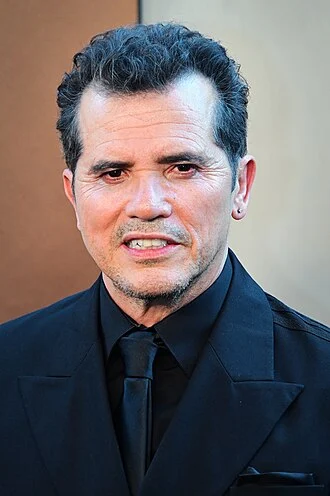
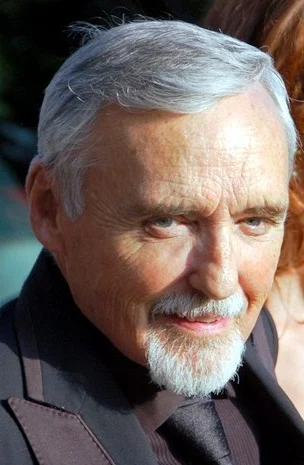
Super Mario Bros. (also known as Super Mario Bros.: The Movie) is a 1993 science fantasy adventure film based on the Mario video game series by Nintendo. It was directed by the husband-and-wife team Rocky Morton and Annabel Jankel, written by Parker Bennett, Terry Runté and Ed Solomon and distributed by Buena Vista Pictures through Hollywood Pictures. The first American feature-length live-action film based on a video game, it follows the brothers Mario (Bob Hoskins) and Luigi (John Leguizamo) in their quest to rescue Princess Daisy (Samantha Mathis) from a dystopian parallel universe ruled by the ruthless President Koopa (Dennis Hopper). Development began after the producer, Roland Joffé, obtained the Mario rights. Given free creative license by Nintendo, which believed the Mario brand was strong enough for experimentation, the screenwriters envisioned Super Mario Bros. as a subversive comedy influenced by Ghostbusters (1984) and The Wizard of Oz (1939). Its dinosaur theme was inspired by the most recent Mario game, Super Mario World (1990), with other elements drawn from fairy tales and contemporary American culture. Filming took place from May to July 1992. The production used several techniques considered innovative in the transition from practical to digital visual effects, including the use of Autodesk Flame. Released on May 28, 1993, Super Mario Bros. was a financial failure, grossing $38.9 million worldwide on a budget of $42–48 million. It received generally negative reviews from critics and is considered one of the worst films ever made. Despite this, it has developed a cult following. Nintendo did not license another Mario film until The Super Mario Bros. Movie, an animated film released by Universal Pictures in 2023, which received mixed reviews and was a commercial success, breaking multiple box-office records.
From Wikipedia contributors · CC BY-SACast & filmmakers

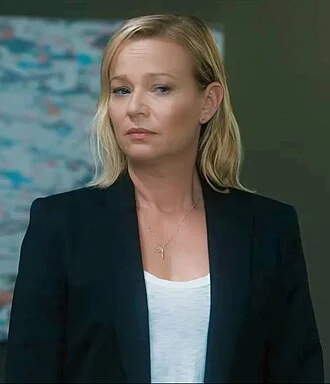
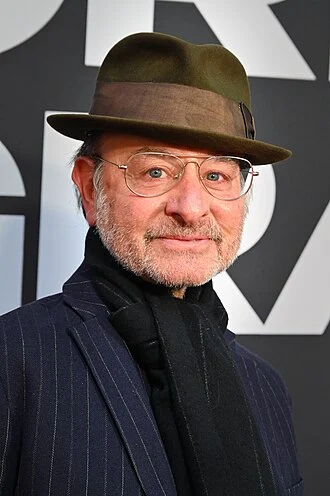

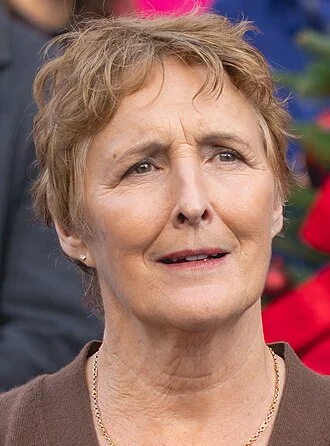

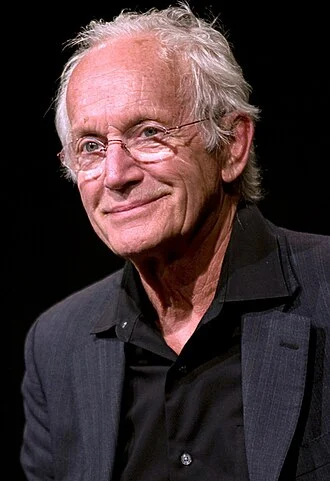
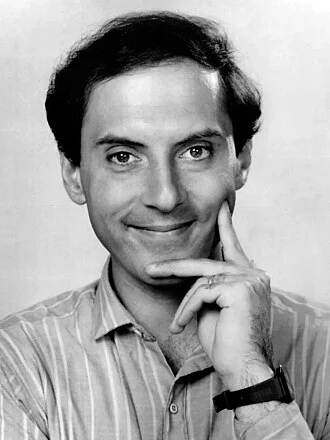
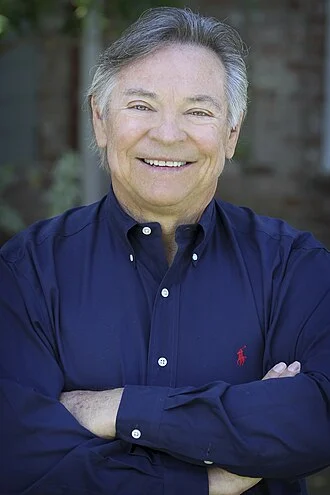
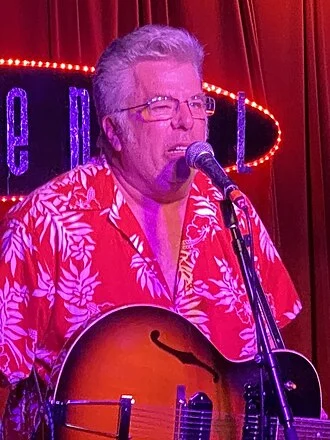
Cast and characters
- Fiona Shaw
- Lena
- Richard Edson
- Spike
- Mojo Nixon
- Toad
- Fisher Stevens
- Iggy
- Gianni Russo
- Scapelli
- Desiree Marie Velez
- Angelica
- Don Lake
- Sergeant Simon
- Francesca P. Roberts
- Bertha
- Dana Kaminski
- Daniella
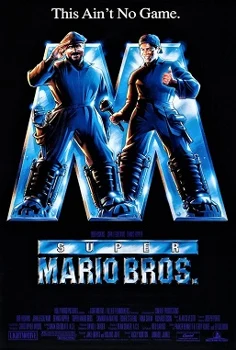
Film poster
The two plumbers stand inside the giant blue metallic letter M.
Poster source · Vybpedia article · Film publicity artworkBehind the film
Storyline (spoilers)
Following the impact of a meteorite into Earth 66million years ago, the universe is split into a pair of parallel dimensions. Surviving dinosaurs escape into the new dimension, evolving into a humanoid race and founding a city known as Dinohattan. In 1973, a mysterious woman leaves a large egg and a fragment of the meteorite at a Catholic orphanage in Brooklyn, New York City. The egg hatches into a baby girl.
Development
Following the release of Super Mario Bros. (1985), a video game developed and published by Nintendo, numerous producers attempted to purchase the rights to make a Super Mario Bros. film. In 1989, Nintendo gave DIC Entertainment the right to make a film out of The Super Mario Bros. Super Show!, but it was never produced. In 1990, Dustin Hoffman attempted to purchase the rights to produce a film with himself as Mario, Danny DeVito as Luigi, and Barry Levinson directing. However, this was not made because of scheduling conflicts for DeVito. Jake Eberts then purchased the film rights and started developing an adaptation to be directed by Penny Marshall.
Filming
Several weeks before filming began, the Walt Disney Studios acquired the film rights and was to produce it under its film division Hollywood Pictures. After Disney requested rewrites of the script, Morton said the final result was a script that was not at all like the script that he, Jankel, and the cast had signed on to film, and that the tone of the new script was not at all compatible with the sets, which had already been built. Solomon recalled that he "felt like [his draft of the screenplay] was at least coherent," but upon visiting the set, [Morton] had cut it up with a bunch of other stuff he liked from other drafts and a bunch of new stuff. [...] There was no through line." Leguizamo said, "It's eight-year-olds who play the game and that's where the movie needed to be aimed. [...] But [the directors] kept trying to insert new material.
Visual effects
Super Mario Bros. introduced several techniques considered innovative in the transition from practical to digital visual effects. It is the first film to have used the compositing software Flame before it was acquired by Autodesk. The film was also the first to be scanned with the Kodak Cineon film scanner to create a digital intermediate, allowing for the compositing of more than 700 visual effects shots. The team consisted of both traditional rotoscope artists and digital artists, comprising approximately 30 people in total. Technicolor provided visual effects dailies for the team, scanning the shots back onto film with the effects integrated. The disintegration effect for the inter-dimensional merge was inspired by the transporter from Star Trek. The film was shortlisted at the 66th Academy Awards for Best Visual Effects, but it was ultimately not nominated.
Box office
In the United States and Canada, Super Mario Bros. only collected during its opening weekend, ranking in fourth place at the box office below Cliffhanger, Made in America and Dave. It grossed , In Asia, the film earned () from distribution rentals in Japan, and sold 106,083 tickets in the South Korean capital of Seoul. In Europe, the film grossed () in the United Kingdom, sold 391,800 tickets in France, and sold 290,098 tickets in Germany. In total, the film grossed $17.997 million internationally for a worldwide total of $38,912,465.
Directed by
Written by
Cast
Title details
- Release year
- 1993
- Release date
- 1993-05-28
- Runtime
- 104 min
- Based on
- Super Mario Bros.
- Production companies
- Allied Filmmakers, Cinergi Pictures, Hollywood Pictures, Nintendo
- Distributors
- Netflix, Walt Disney Studios Motion Pictures
- Content rating
- PG
- Genres
- Science Fiction, Adventure, Fantasy
- Language
- English
- Country of origin
- United States of America, United Kingdom