Overview
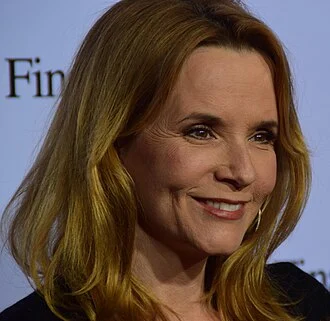
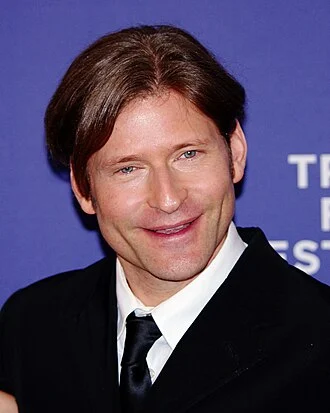
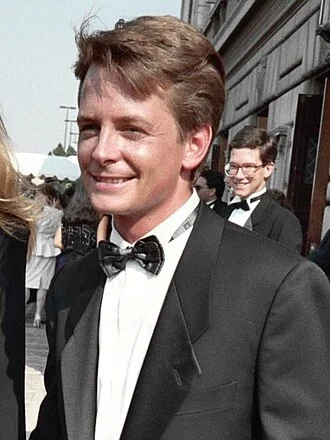
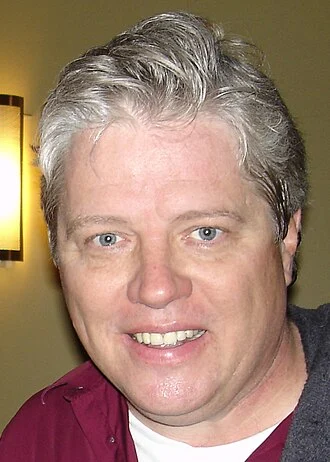
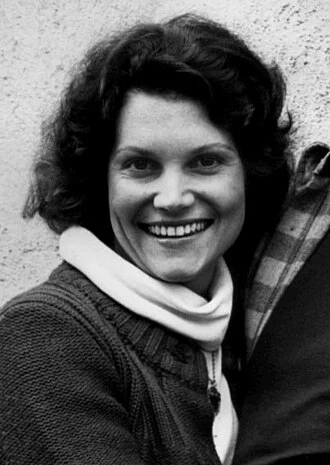
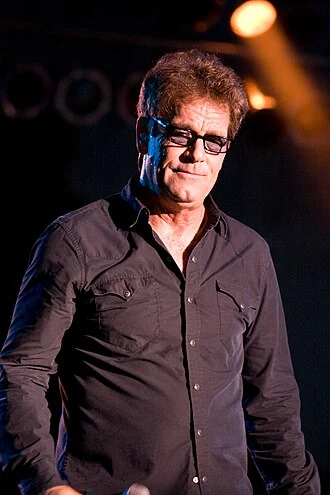
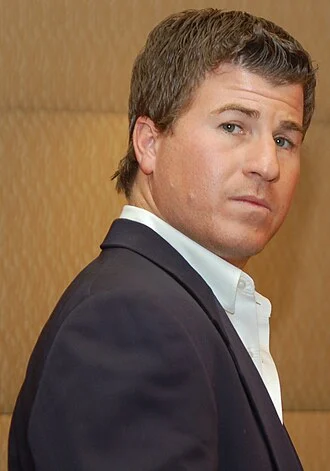
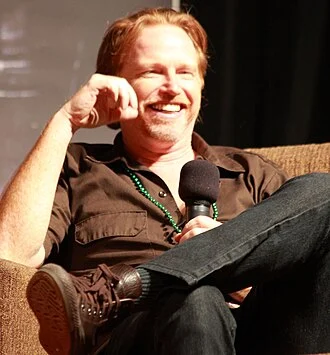
Back to the Future is a 1985 American science fiction film directed by Robert Zemeckis and written by Zemeckis and Bob Gale. It stars Michael J. Fox, Christopher Lloyd, Lea Thompson, Crispin Glover, and Thomas F. Wilson. Set in 1985, it follows Marty McFly (Fox), a teenager accidentally sent back to 1955 in a time-traveling DeLorean automobile built by his eccentric scientist friend Emmett "Doc" Brown (Lloyd), where he inadvertently prevents his future parents from falling in love – threatening his own existence – and is forced to reconcile them and somehow get back to the future. Gale and Zemeckis conceived the idea for Back to the Future in 1980. They were desperate for a successful film after numerous collaborative failures, but the project was rejected more than forty times by various studios because it was not considered raunchy enough to compete with the successful comedies of the era. A development deal was secured with Universal Pictures following Zemeckis's success directing Romancing the Stone (1984). Fox was the first choice to portray Marty but was unavailable; Eric Stoltz was cast instead. Shortly after principal photography began in November 1984, Zemeckis determined Stoltz was not right for the part and made the concessions necessary to hire Fox, including re-filming scenes already shot with Stoltz and adding $4 million to the budget. Back to the Future was filmed in and around California and on sets at Universal Studios, and concluded the following April. After highly successful test screenings, the release date was brought forward to July 3, 1985, giving the film more time in theaters during the busiest period of the theatrical year. The change resulted in a rushed post-production schedule and some incomplete special effects. Nevertheless, Back to the Future was a critical and commercial success, earning $381.1 million to become the highest-grossing film of 1985 worldwide. Critics praised the story, humor, and the cast, particularly Fox, Lloyd, Thompson, and Glover. It received multiple award nominations and won an Academy Award, three Saturn Awards, and a Hugo Award. Its theme song, "The Power of Love" by Huey Lewis and the News, was also a success. Back to the Future has since grown in esteem and is now considered by critics and audiences to be one of the greatest science fiction films and among the best films ever made. In 2007, the United States Library of Congress selected it for preservation in the National Film Registry. The film was followed by two sequels, Back to the Future Part II (1989) and Back to the Future Part III (1990). Spurred by the film's dedicated fan following and effect on popular culture, Universal Studios launched a multimedia franchise, which now includes video games, theme park rides, an animated television series, and a stage musical. Its enduring popularity has prompted numerous books about its production, documentaries, and commercials.
From Wikipedia contributors · CC BY-SACast & filmmakers

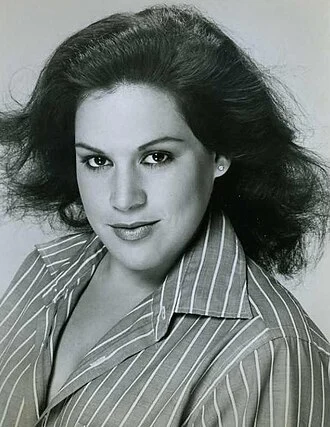

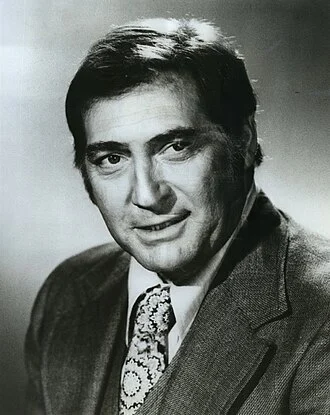
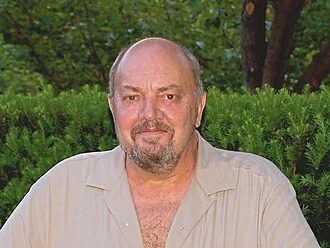
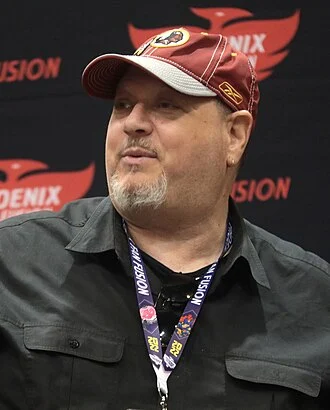

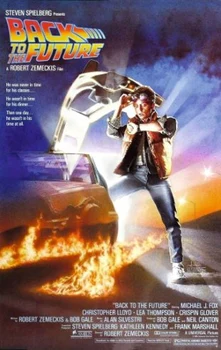
The theatrical poster
Marty looks at his watch as he steps out of the DeLorean. The burning tracks give a still image a direction of travel.
Poster source · Vybpedia article · Theatrical release artworkBehind the film
Storyline (spoilers)
In 1985, teenager Marty McFly lives in Hill Valley, California, with his depressed alcoholic mother, Lorraine; his older siblings, who are professional and social failures; and his meek father, George, who is bullied by his supervisor, Biff Tannen. After Marty's band fails a music audition, he confides in his girlfriend, Jennifer Parker, that he fears becoming like his parents despite his ambitions.
Development
Price opted not to green-light the second draft; although he liked it, he did not believe it would appeal to anyone else. The most successful comedies at the time, such as Animal House (1978), Porky's (1981), and Fast Times at Ridgemont High (1982), featured sexual and bawdy elements; Back to the Future was considered too tame in comparison. Columbia put the project into turnaround (a process allowing other studios to purchase the idea). The script was rejected some forty times, sometimes multiple times by the same studios. Reasons given included the concept being unappealing to contemporary rebellious youth and the failures of other time travel films, such as The Final Countdown (1980) and Time Bandits (1981). Walt Disney Productions turned it down because they considered Marty's fighting off his future mother's advances too risqué for their brand.
Box office
In the United States (U.S.) and Canada, Back to the Future received a wide release on July3, 1985, ahead of the Independence Day holiday weekend.
Awards
Back to the Future received four nominations at the 43rd Golden Globe Awards, for Best Motion Picture (Musical or Comedy), Best Actor in a Motion Picture (Musical or Comedy) (Fox), Best Original Song ("The Power of Love"), and Best Screenplay (Gale and Zemeckis). The film was also named Favorite Motion Picture at the 12th People's Choice Awards. At the 1986 Academy Awards, Back to the Future received one award for Best Sound Effects Editing (CharlesL. Campbell and Robert Rutledge). It received a further three nominations: Best Original Screenplay (Gale and Zemeckis); Best Sound (Bill Varney, B. Tennyson Sebastian II, Robert Thirlwell, and William B. Kaplan); and Best Original Song ("The Power of Love").
Directed by
Written by
Cast
Title details
- Release year
- 1985
- Release date
- 1985-07-03
- Runtime
- 117 min
- Film series
- Back to the Future
- Production companies
- Amblin Entertainment, Universal Pictures
- Distributors
- Ivi.ru, MOKÉP, Netflix, Universal Pictures, Xfinity Streampix
- Content rating
- PG
- Genres
- Science Fiction
- Language
- English
- Country of origin
- United States of America
- France theatrical release
- 1985-10-16
- French theatrical visa
- 60856
- Classification in France
- Tous publics
- Title in Brazil
- DE VOLTA PARA O FUTURO
- Brazil theatrical release
- 2015-02-28
- Brazilian film certificate
- E1402513800000
- Distributor in Brazil
- Cinemark Brasil S.A / Universal Pictures International Brazil Ltda. / Warner Bros. (South) Inc.
Awards and nominations
Awards received (12)
- Academy Award for Best Sound Editing
- David di Donatello
- Goldene Leinwand
- Hugo Award for Best Dramatic Presentation
- International Film Music Critics Association Awards
- Japan Academy Prize for Outstanding Foreign Language Film
- Jupiter Awards
- National Board of Review: Top Ten Films
- Saturn Award for Best Actor
- Saturn Award for Best Science Fiction Film
- Saturn Award for Best Special Effects
- Young Artist Awards
Nominations (3)
- Academy Award for Best Sound
- Academy Award for Best Sound Editing
- Academy Award for Best Writing, Original Screenplay
 Trailer still