Trailer still
Overview
The Cove is a 2009 American documentary film directed by Louie Psihoyos that analyzes and questions dolphin hunting practices in Japan. The film is a call to action to halt mass dolphin kills and captures and change Japanese fishing practices. It also seeks to inform and educate the public about the dangers of keeping cetaceans in captivity and the increasing hazard of mercury poisoning from consuming dolphin meat. Psihoyos is a former-National Geographic photographer and a co-founder of the Oceanic Preservation Society, and the film is presented from an ocean conservationist's point of view. Portions were filmed secretly in 2007 using underwater microphones and high-definition cameras disguised as rocks. The film highlights the fact that the number of dolphins killed in the Taiji dolphin drive hunt is several times greater than the number of whales killed in the Antarctic, and asserts that 23,000 dolphins and porpoises are killed in Japan every year by the country's whaling industry. The migrating dolphins are herded into a cove where they are netted off. The young and pretty are sold to oceanariums and dolphinariums around the world, and the rest are brutally slaughtered. The film argues that dolphin hunting as practiced in Japan is unnecessary and cruel. Although The Cove has drawn some controversy over its supposed lack of neutrality, it has received overwhelmingly positive reviews from critics. Most notably, it won the Academy Award for Best Documentary Feature Film at the 82nd Academy Awards in 2010. It also won the U.S. Audience Award at the 25th annual Sundance Film Festival in January 2009, selected out of 879 submissions in the category.
From Wikipedia contributors · CC BY-SACast & filmmakers



Storyline (spoilers)
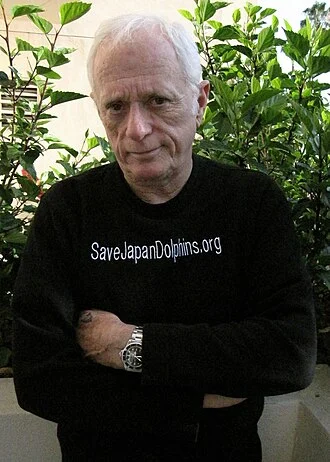
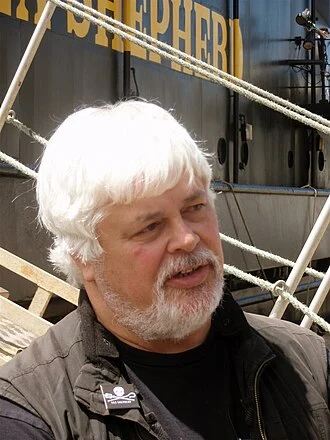
The film follows former dolphin trainer and former Sea Shepherd activist Ric O'Barry's quest to document the dolphin hunting operations in Taiji, Wakayama, Japan. In the 1960s, O'Barry helped capture and train the five wild dolphins who shared the role of "Flipper" in the hit television series of the same name. The show, a pop-culture phenomenon, fueled widespread public adoration of dolphins, influencing the development of marine parks that included dolphins in their attractions. After one of the dolphins, in O'Barry's opinion, committed a form of suicide in his arms by closing her blowhole voluntarily in order to suffocate, O'Barry came to see the dolphin's captivity as a curse, not a blessing.
Excerpted from Wikipedia contributors via the CMU Movie Summary Corpus by David Bamman, Brendan O’Connor and Noah A. Smith. CC BY-SA 3.0 USDirected by
Cast
Title details
- Release year
- 2009
- Runtime
- 90 min
- Production companies
- Oceanic Preservation Society
- Distributors
- Netflix, Starz Entertainment
- Genres
- Documentary
- Language
- English, Japanese
- Country of origin
- United States
Awards and nominations
Awards received (3)
- Academy Award for Best Documentary Feature Film
- Genesis Award
- Sundance Audience Award: U.S. Documentary
 Trailer still
 Trailer still