Overview
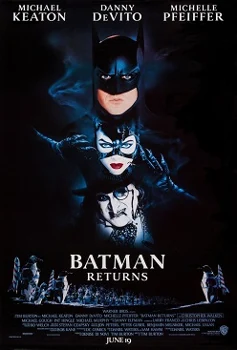
Batman Returns is a 1992 American superhero film directed by Tim Burton and written by Daniel Waters. Based on the DC Comics character Batman, it is the sequel to Batman (1989), also directed by Burton, and the second film in the Batman film series (1989–1997). The cast includes Michael Keaton, Danny DeVito, Michelle Pfeiffer, Christopher Walken, Michael Gough, Pat Hingle, and Michael Murphy. Set during Christmas in Gotham City, the film follows Batman (Keaton) as he confronts corrupt businessman Max Shreck (Walken) and deformed crime boss Oswald Cobblepot / the Penguin (DeVito), whose bid for power threatens the city. Their schemes are further complicated by Shreck's former secretary Selina Kyle (Pfeiffer), who seeks revenge against him as Catwoman. Burton was initially uninterested in directing a sequel to Batman, feeling creatively constrained by Warner Bros.' expectations. He agreed to return only after being granted greater creative control, which included replacing writer Sam Hamm with Daniel Waters and reuniting with many of his previous collaborators. Waters's script emphasized characterization over plot, and Wesley Strick was later hired for an uncredited rewrite that added, among other elements, a master plan for the Penguin. Filming took place from September 1991 to February 1992 on a budget of $50–80 million, primarily on sets and soundstages at Warner Bros. Studios and the Universal Studios Lot in California. The special effects relied mainly on practical techniques and makeup, supplemented with animatronics, limited computer-generated imagery (CGI), and dozens of live penguins. The marketing campaign was extensive, featuring brand tie-ins and merchandise. Released on June 19, 1992, Batman Returns broke several box-office records and grossed $266.8 million worldwide, becoming the sixth-highest-grossing film of 1992, but fell short of Batman in overall success and longevity. The darker tone, along with violent and sexual content, was cited as alienating family audiences and prompted backlash against marketing partners for promoting the film to children. Critical reception was polarized, though most reviewers praised the principal cast. Following the mixed reception, Burton was replaced for its more family-friendly sequel, Batman Forever (1995). Keaton also declined to return. In the years since its release, Batman Returns has been reappraised as one of the strongest Batman films and a pivotal early example of auteur-driven superhero cinema that helped shape the genre's darker, more ambitious direction. It is also recognized as an alternative Christmas film for its winter setting, festive imagery, and themes of loneliness and isolation. Its story was revisited in the comic series Batman '89 (2021), and Keaton reprised his version of Batman in The Flash (2023).
From Wikipedia contributors · CC BY-SACast & filmmakers
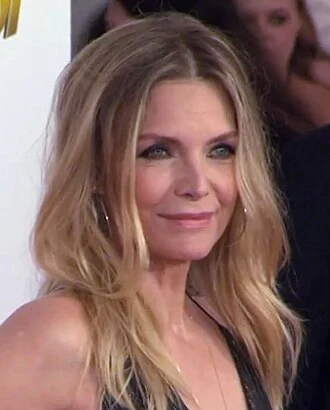
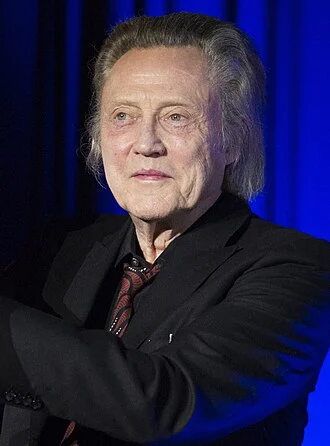
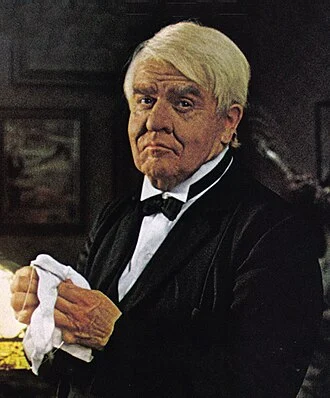
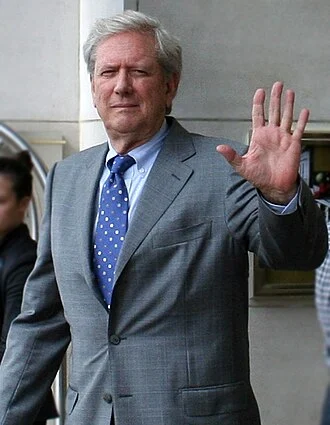
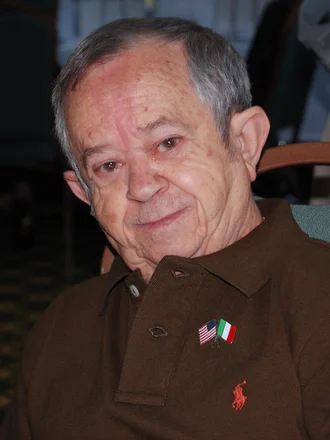
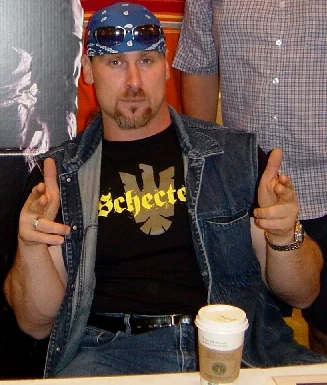
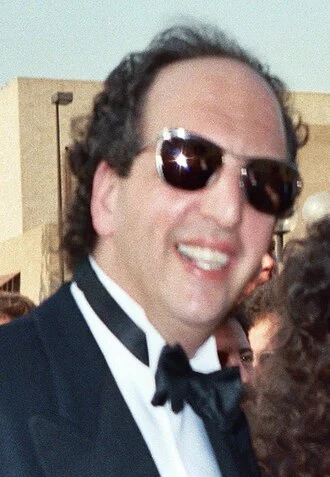
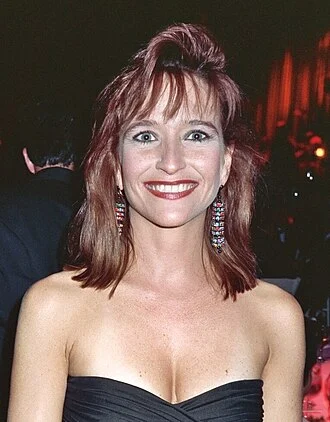
Film poster
Three faces descend vertically through black. The sharp outlines of Batman's and Catwoman's masks echo one another.
Poster source · Vybpedia article · Film publicity artworkBehind the film
Storyline (spoilers)
In Gotham City, two wealthy socialites, horrified by the birth of their malformed and feral son Oswald, abandon him in the sewers, where he is taken in by a colony of penguins. Thirty-three years later, during the Christmas season, wealthy industrialist Max Shreck is abducted by the Red Triangle Gang—former circus performers implicated in child disappearances across the country—and taken to their hideout in the abandoned Arctic exhibit at Gotham Zoo. Their leader, Oswald, now known as the Penguin, blackmails Max with evidence of his corruption and murders, coercing him into helping Oswald re-enter Gotham's high society. Max stages the kidnapping of the mayor's infant child, allowing Oswald to "rescue" the child and become a public hero. In return, Oswald requests access to the city's birth records, claiming he seeks to uncover his true identity by investigating Gotham's first-born sons.
Development
Following the success of Batman (1989), which became the fifth-highest-grossing film of its time, a sequel was considered inevitable. Warner Bros. Pictures began discussing a follow-up by late 1989, with plans to start filming the next May. The studio wanted Robin Williams and Danny DeVito to portray the Riddler and Penguin, respectively, and invested $2million in acquiring the Gotham City sets at Pinewood Studios in England, intending to reuse them for at least two sequels. The sets were placed under 24-hour surveillance, as maintaining them was more cost-effective than rebuilding. Despite Warner Bros.' pressure to secure a script and begin production, director Tim Burton was hesitant to return. He described the idea of a sequel as "dumbfounded", particularly before the first film's box-office performance could be assessed.
Filming
Principal photography began on September 3, 1991. Burton wanted to film in the United States with American actors, believing that Batman, which had been shot in the United Kingdom, had "suffered from a British subtext". Changes in the economics of filming in the UK also made it more cost-effective to remain in the U.S. This decision required abandoning the Pinewood Studios sets in favor of Burton's new designs. Batman Returns was filmed almost entirely on up to eight soundstages at Warner Bros. Studios, Burbank, California, including Stage 16, which housed the expansive Gotham Plaza set. Stage 12 at the Universal Studios Lot was used for the Penguin's Arctic-exhibit lair. Warner Bros. maintained a high level of security to avoid details leaking for Batman Returns.
Box office
Batman Returns premiered on June 16, 1992, at Grauman's Chinese Theatre in Hollywood. Two blocks of Hollywood Boulevard were closed for more than 3,000 fans, 33 TV film crews, and 100 photographers. A party followed on the Stage 16 Gotham Plaza set, attended by the cast and crew, as well as Arnold Schwarzenegger, Faye Dunaway, James Caan, Mickey Rooney, Harvey Keitel, Christian Slater, and James Woods, among others.
Awards
At the 46th British Academy Film Awards, Batman Returns was nominated for Best Makeup (Ve Neill and Stan Winston) and Best Special Visual Effects (Michael Fink, Craig Barron, John Bruno, and Dennis Skotak). For the 65th Academy Awards, Batman Returns received two nomations: Best Makeup (Neill, Ronnie Specter, and Winston) and Best Visual Effects (Fink, Barron, Bruno, and Skotak). Neill and Winston received the Best Make-up award at the 19th Saturn Awards. The film received four other Saturn Award nominations for Best Fantasy Film, Best Supporting Actor (DeVito), Best Director (Burton), and Best Costume Design (Bob Ringwood, Mary Vogt, and Vin Burnham). DeVito was nominated for Worst Supporting Actor at the 13th Golden Raspberry Awards, and Pfeiffer for Most Desirable Female at the 1993 MTV Movie Awards. Batman Returns was nominated for a Hugo Award for Best Dramatic Presentation.
Directed by
Written by
Cast
Title details
- Release year
- 1992
- Release date
- 1992-06-16
- Runtime
- 126 min
- Film series
- Batman, Batman in film
- Based on
- Batman
- Production companies
- PolyGram Filmed Entertainment, Warner Bros. Entertainment
- Distributors
- InterCom, Netflix, Warner Bros. Entertainment
- Content rating
- PG-13
- Genres
- Superhero
- Language
- English
- Country of origin
- United States of America, United Kingdom
- Netflix reported views
- 100,000 · Batman Returns · 2026 H1
Awards and nominations
Nominations (3)
- Academy Award for Best Makeup and Hairstyling
- Academy Award for Best Visual Effects
- MTV Movie Award for Best Villain