Overview
The Jolson Story is a 1946 American biographical musical film, a highly fictionalized account of the life of singer Al Jolson, produced by Columbia Pictures and directed by Alfred E. Green. It stars Larry Parks as Jolson, Evelyn Keyes as Julie Benson (approximating Jolson's wife, Ruby Keeler), William Demarest as his performing partner and manager, Ludwig Donath and Tamara Shayne as his parents, and Scotty Beckett as the young Jolson. Some of the film's episodes are based on fact but the story is extremely simplified, with people disguised or combined into single characters.
From Wikipedia contributors · CC BY-SACast and characters
- Larry Parks
- Al Jolson
- Evelyn Keyes
- Julie Benson
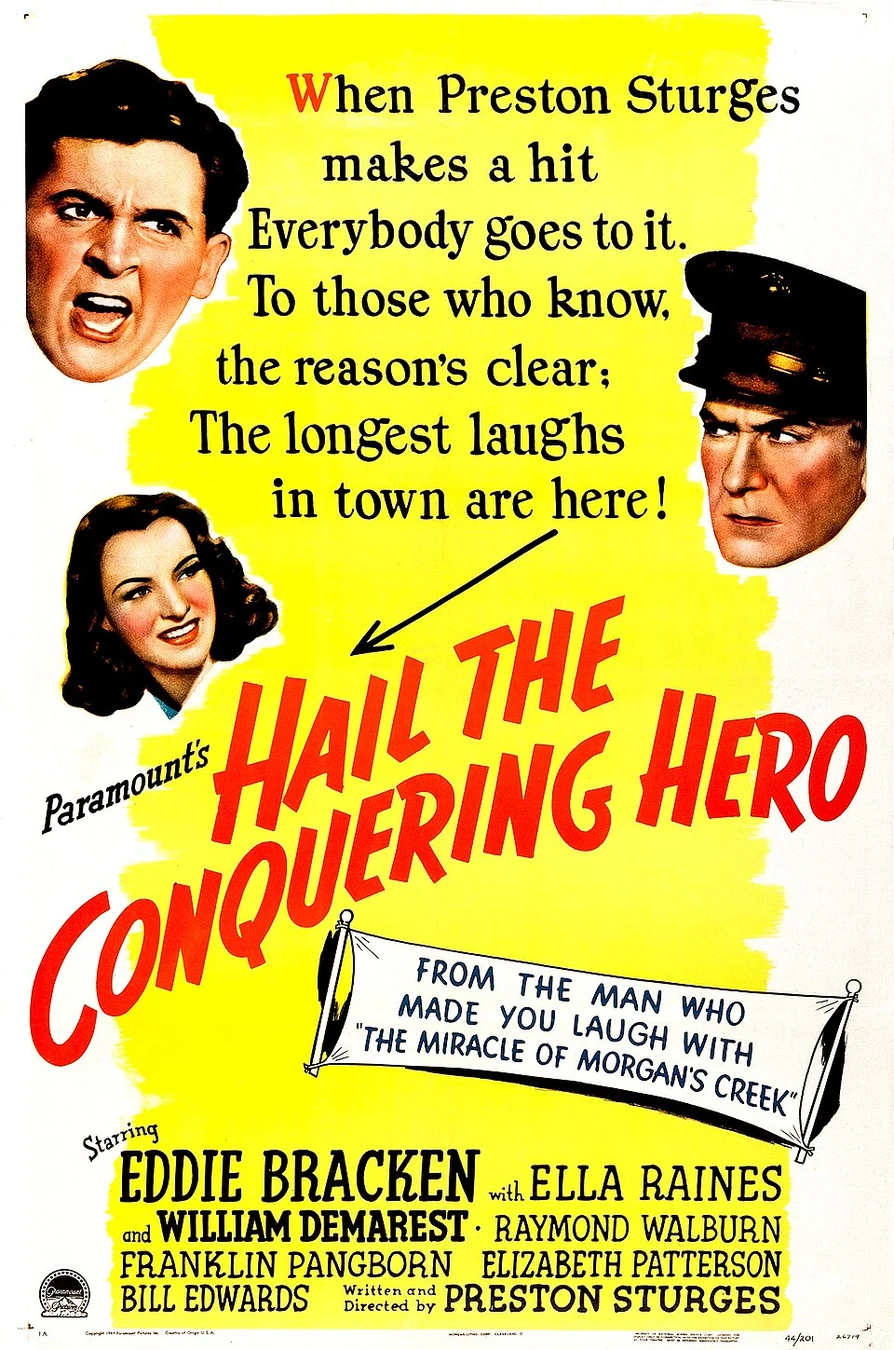
- William Demarest
- Steve Martin
- Bill Goodwin
- Tom Baron
- Ludwig Donath
- Cantor Yoelson
- Ann Todd as Ann Murray
- a girl
- John Alexander
- Lew Dockstader
- Edwin Maxwell
- Oscar Hammerstein
- Ernest Cossart
- Father McGee
- Harry Shannon
- Officer Reilly
- Eric Wilton
- Henry
- Robert Mitchell Boys' Choir
- the church choir
- William Forrest
- Dick Glenn
- Eddie Kane
- Florenz Ziegfeld
- Buddy Gorman
- Jimmy
Behind the film
Storyline (spoilers)
Stage-struck Asa Yoelson wants to sing in burlesque performer Steve Martin's act. Cantor Yoelson, his father, refuses to consider it. After Asa runs away but is found in Baltimore, the Yoelsons grudgingly consent. Martin eventually gives him billing, under a new name: Al Jolson. Soon afterward, an entertainer named Tom Baron, who is in the same show as Martin and Jolson, passes out drunk, and Jolson goes on in his place. Jolson receives a job offer from minstrel-show master Lew Dockstader, who is in the audience, and Martin releases Jolson.
Development
The film was the idea of Sidney Skolsky. In 1943 he pitched a Jolson biopic to Warner Bros, for whom Jolson had made The Jazz Singer, but Jack Warner was unenthusiastic, as Jolson's career was in a slimp at the time. No other studios were interested either apart from Harry Cohn at Columbia. He agreed to make the movie and assigned Sidney Buchman to oversee it. It is generally agreed regardless of the credits that Buchman was the prime creative force behind the movie.
Filming
Filming started in October 1945 with the film in black-and-white. H. Bruce Humberstone was borrowed from 20th Century-Fox to direct but, according to Variety, he had to drop out when the shooting dates kept being pushed back. Humberstone later claimed he quit because Buchman kept rewriting the script.
Box office
The film was an outstanding financial success making an estimated $8 million in the United States and Canada ($133 million in 2026 dollars), and an additional $5 million ($83 million in 2026) worldwide. This made it the most popular film in the history of Columbia and one of the most popular of all time.
Directed by
Cast
Title details
- Release year
- 1946
- Runtime
- 104 min
- Distributors
- Columbia Pictures, Netflix
- Genres
- Biography, Musical
Awards and nominations
Awards received (2)
- Academy Award for Best Original Musical Score
- Academy Award for Best Sound
Nominations (6)
- Academy Award for Best Actor
- Academy Award for Best Cinematography, Color
- Academy Award for Best Film Editing
- Academy Award for Best Original Musical Score
- Academy Award for Best Sound
- Academy Award for Best Supporting Actor