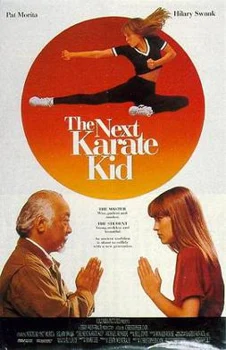
 Trailer still
Overview
The Karate Kid Part II is a 1986 American martial arts drama film written by Robert Mark Kamen and directed by John G. Avildsen. It is the second installment in The Karate Kid franchise and the sequel to the 1984 film The Karate Kid, starring Ralph Macchio and Pat Morita. The Karate Kid Part II follows Daniel LaRusso (Macchio), who accompanies his karate teacher Mr. Miyagi (Morita) to see his dying father in Okinawa, only to encounter an old friend-turned-rival with a long-harbored grudge against Miyagi. Following the success of the first installment, preparation for a sequel began immediately. Upon completion of the final script, Macchio and Morita were re-signed and additional casting took place between May and July 1985. Principal photography began in September in Los Angeles, and filming completed in December. Locations included Oahu, which was used to represent Okinawa in the film. The Karate Kid Part II was theatrically released in the United States by Columbia Pictures on June 20, 1986. The film received mixed reviews, with critics praising Morita's performance as well as the new location and characters, while others criticized elements of the storyline, the antagonists, and some of the action scenes. The film was a commercial success, grossing $130 million worldwide (the same amount as the first film), making it one of the highest-grossing films of 1986. A sequel titled The Karate Kid Part III was released in 1989.
From Wikipedia contributors · CC BY-SACast & filmmakers
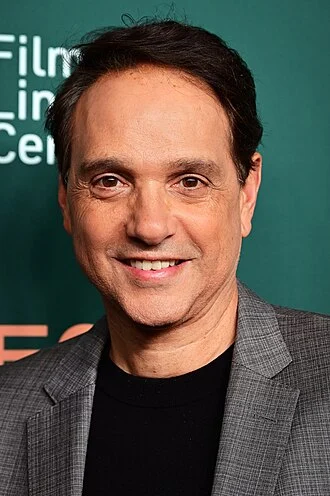
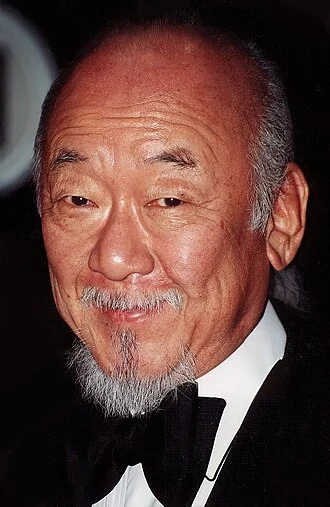
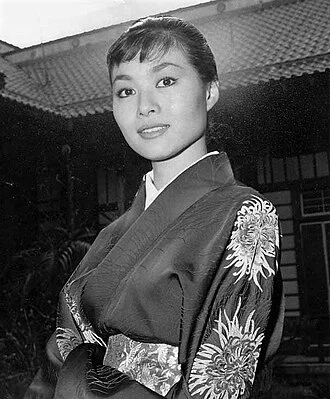
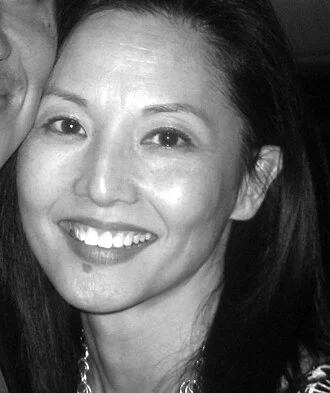
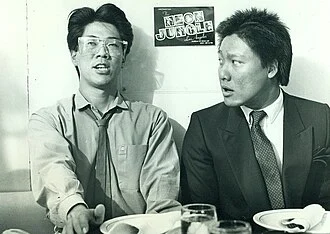
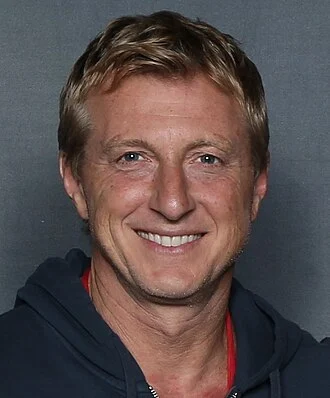
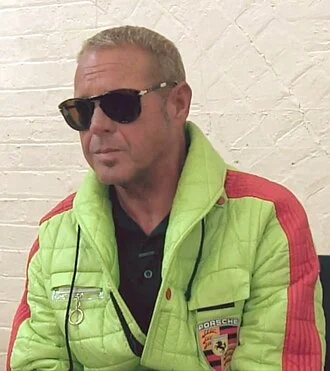
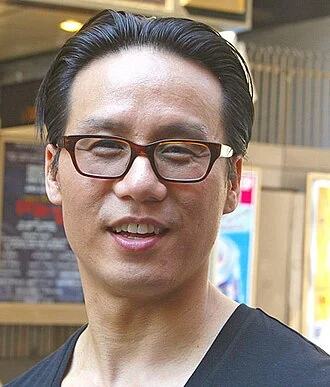
Cast and characters
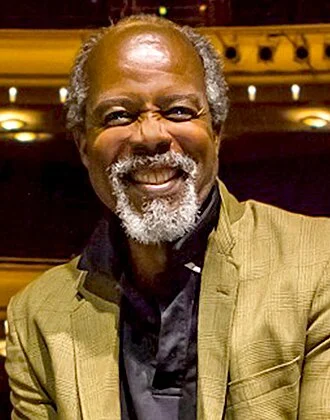
- Charlie Tanimoto
- Miyagi Chōjun
- Tony O'Dell
- Jimmy
- Ron Thomas
- Bobby
- Rob Garrison
- Tommy
- Bruce Malmuth
- Announcer
Behind the film
Storyline (spoilers)
Shortly after his dojo's loss to Daniel LaRusso in the 1984 All-Valley Karate Tournament, a furious John Kreese attacks his student, Johnny Lawrence, in the parking lot over the loss while the other pupils defend Lawrence. Miyagi intervenes and passively incapacitates Kreese, then threatens to strike a deadly blow but instead tweaks his nose. Seeing Kreese's humiliation, Johnny and the other students abandon him and Cobra Kai.
Filming
Principal photography took place in Oahu, Hawaii, in the northeastern area of the island known as the "windward side". The local countryside in modern-day Okinawa had been drastically changed due to the presence of military bases, so other locations in both Japan and Hawaii were scouted as alternative filming locations. Filmmakers selected a property in Oahu that was privately owned by a retired local physician who agreed to allow a portion of the land to be used in the film. To form the Okinawan village portrayed in the film, seven authentic replicas of Okinawan houses were constructed along with more than three acres of planted crops. Fifty Okinawa-born Hawaii residents were also recruited as film extras. Filming began on September 23, 1985, and ended on December 20.
Box office
The Karate Kid Part II opened in 1,323 theaters across North America on June 20, 1986. In its opening weekend, the film ranked first in its domestic box office grossing $12,652,336 with an average of $9,563 per theater. The film earned $20,014,510 in its opening week and ended its run earning a total of $115,103,979 domestically.
Awards
At the 1987 ASCAP Awards, Bill Conti won Top Box Office Films for the original music, which was released on United Artists Records. It also received an Academy Award nomination for Best Original Song for "Glory of Love".
Directed by
Written by
Cast
Title details
- Release year
- 1986
- Release date
- 1986-06-19
- Runtime
- 113 min
- Film series
- The Karate Kid
- Production companies
- Columbia Pictures
- Distributors
- Columbia Pictures, Netflix
- Content rating
- PG
- Genres
- Martial Arts, Drama
- Language
- English
- Country of origin
- United States of America
- Netflix reported views
- 600,000 · The Karate Kid Part II · 2026 H1
Awards and nominations
Awards received (1)
- Kids' Choice Award for Favorite Movie

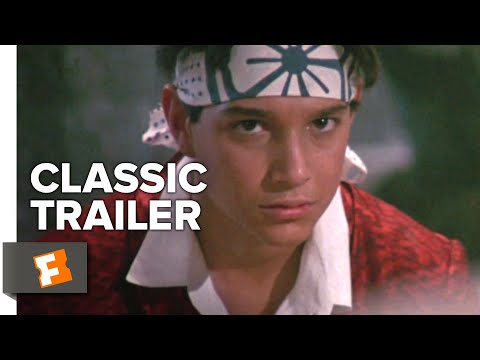
 Trailer still