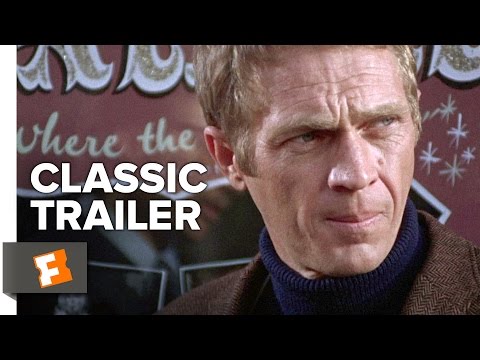
 Trailer still
Overview
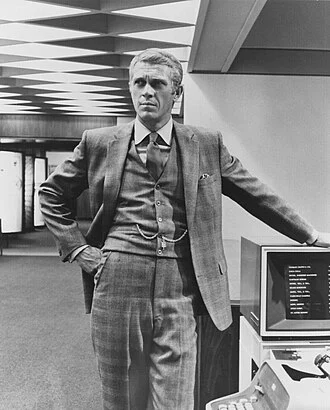
Bullitt is a 1968 American crime action thriller film directed by Peter Yates, from a screenplay by Alan R. Trustman and Harry Kleiner, based on the 1963 novel Mute Witness by Robert L. Fish. It stars Steve McQueen, Robert Vaughn, Jacqueline Bisset, Don Gordon, Robert Duvall, Simon Oakland, and Norman Fell. In the film, San Francisco police detective Frank Bullitt (McQueen) investigates the murder of a witness he was assigned to protect. A star vehicle for McQueen, Bullitt began development once Yates was hired upon the completion of the screenplay, which differs significantly from Fish's novel. Principal photography took place throughout 1967, with filming primarily taking place on location in San Francisco. The film was produced by McQueen's Solar Productions, with Robert Relyea as executive producer alongside Philip D'Antoni. Lalo Schifrin wrote the film's jazz-inspired score. Bullitt is notable for its extensive use of practical locations and stunt work. Bullitt was released in the United States on October 17, 1968, by Warner Bros.-Seven Arts. It was a critical success, with praise for its screenplay, editing, music and action sequences; its car chase sequence is regarded as one of the most influential in film history, and retrospective reception has named Bullitt among the greatest action films ever made. The film received numerous awards and nominations, including being nominated for two Academy Awards, winning for Best Film Editing. It grossed $42.3 million worldwide, becoming one of the highest-grossing films of 1968. In 2007, Bullitt was selected for preservation in the U.S. National Film Registry by the Library of Congress.
From Wikipedia contributors · CC BY-SACast & filmmakers
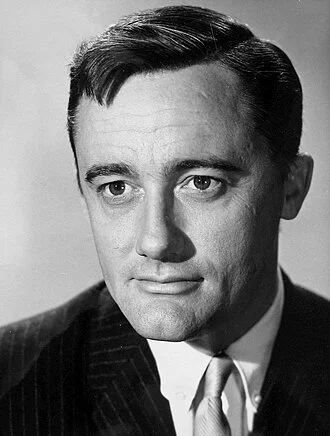
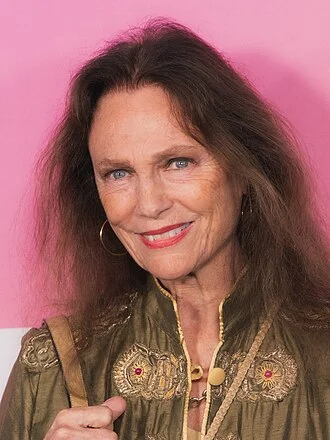
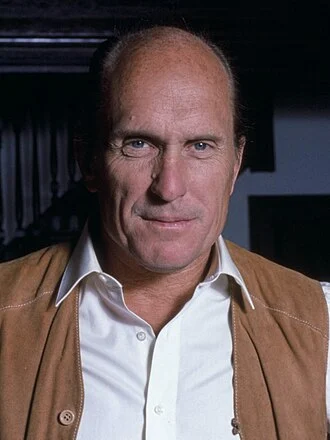
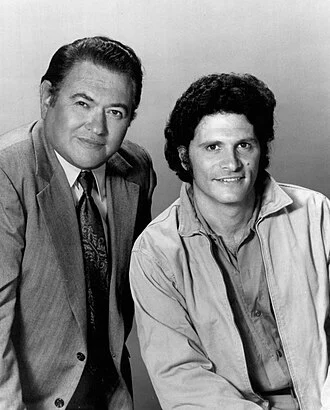
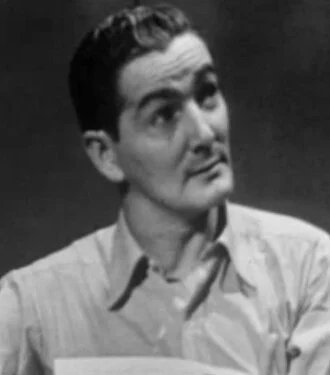
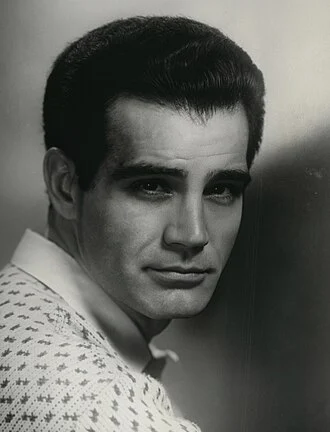
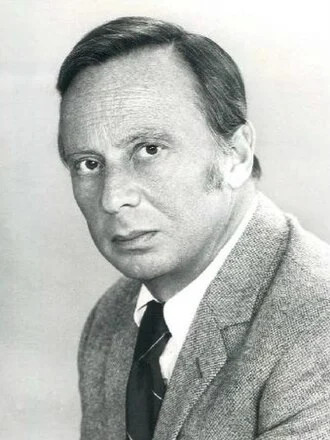
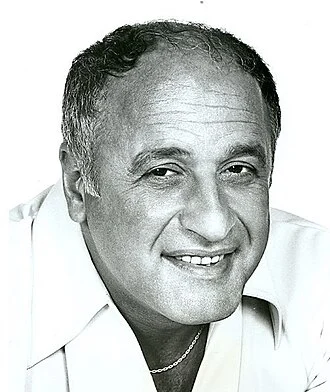
Behind the film
Storyline (spoilers)
On a Friday night in Chicago, mobster Johnny Ross briefly meets his brother, Pete, after fleeing the Outfit. The next morning, Lieutenant Frank Bullitt of the San Francisco Police Department (SFPD), along with his team, Delgetti and Stanton, are tasked by federal prosecutor Walter Chalmers with guarding Ross over the weekend, until he can be presented as a witness to a Senate subcommittee hearing on organized crime on Monday morning. The detectives are told he is in a cheap hotel on the Embarcadero. At 1:00 am Sunday, while Stanton is phoning Bullitt to say Chalmers and a friend want to come up, Ross unchains the room door. Two hitmen burst in, shooting Stanton in the leg and Ross in the chest. Chalmers, who has ambitions of public office and needs Ross as his star witness, holds Bullitt responsible.
Development
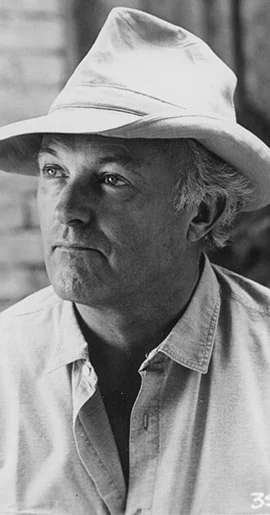
Bullitt was director Peter Yates' first American film. He was hired after McQueen saw his 1967 U.K. feature, Robbery, with its extended car chase. Joseph E. Levine, whose Embassy Pictures had distributed Robbery, did not like the film much, but Alan Trustman, who saw the picture the week he was writing the Bullitt chase scenes, insisted that McQueen, Relyea, and D'Antoni (none of whom had ever heard of Yates) see Robbery and consider Yates as director for Bullitt.
Filming
Bullitt is notable for its extensive use of external locations rather than studio sets, and its attention to procedural detail, from police evidence processing to emergency-room procedures. Director Yates' use of the new lightweight Arriflex cameras allowed for greater flexibility in location shooting. The film was shot almost entirely on location in San Francisco. In the emergency-room operation scene, real doctors and nurses were used as the supporting cast. According to McQueen, "The thing we tried to achieve was not to do a theatrical film, but a film about reality." In a 1968 interview, D'Anatoni reasoned the production would cost no more to shoot in San Francisco than in Los Angeles, despite transportation and housing expenses, because so much money was saved on construction by using real locations.
Box office
Bullitt garnered both critical acclaim and box-office success. It grossed $210,000 in its first week, including a Hall-record Saturday of $49,073. making it the fourth-highest-grossing film that year, and over $42.3 million in the U.S. through 2021.
Directed by
Cast
Title details
- Release year
- 1968
- Runtime
- 114 min
- Distributors
- Netflix, Warner Bros.-Seven Arts
- Content rating
- PG
- Genres
- Crime, Drama, Action, Noir
Awards and nominations
Awards received (1)
- Academy Award for Best Film Editing
Nominations (2)
- Academy Award for Best Film Editing
- Academy Award for Best Sound