Overview
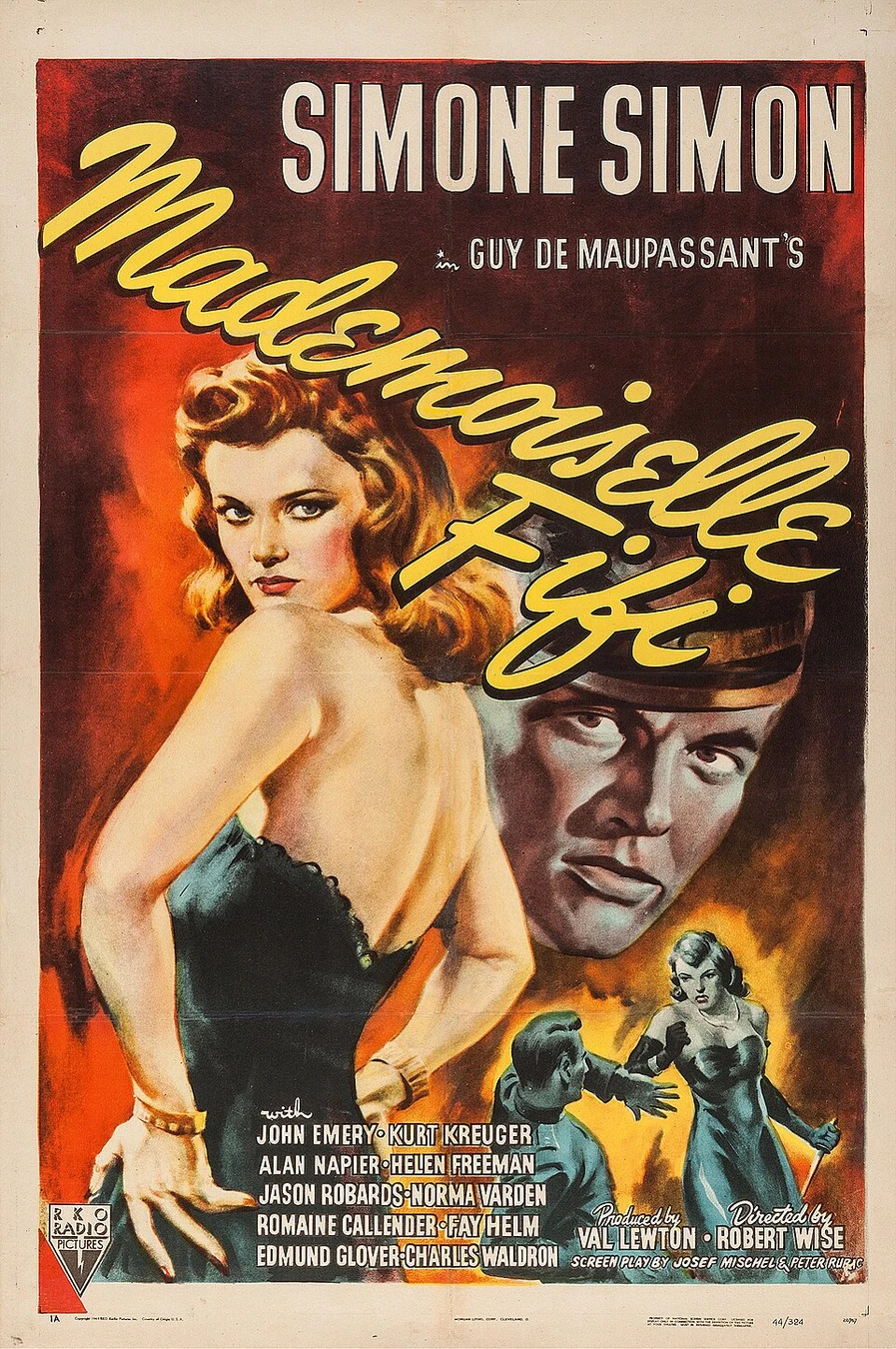
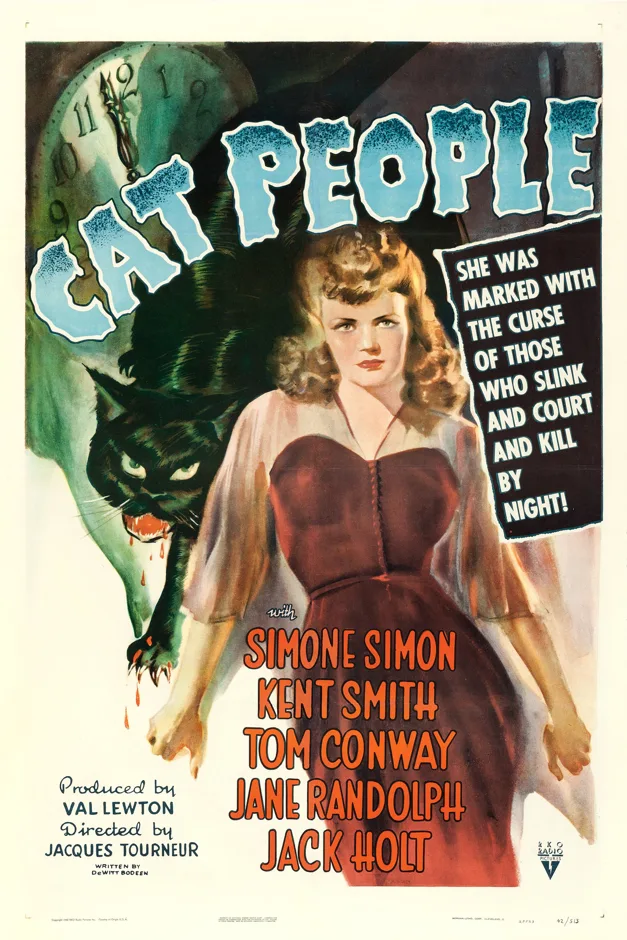
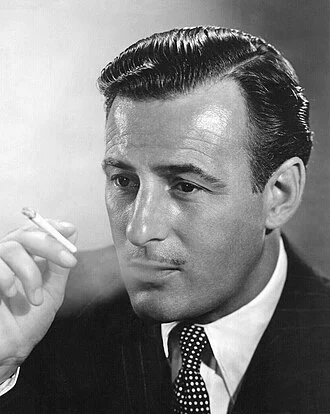
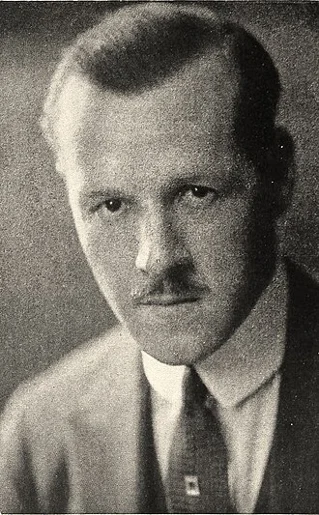
Cat People is a 1942 American supernatural horror film directed by Jacques Tourneur and produced for RKO by Val Lewton. The film tells the story of Irena Dubrovna, a newly married Serbian fashion illustrator obsessed with the idea that she is descended from an ancient tribe of Cat People who metamorphose into black panthers when aroused. When her husband begins to show interest in one of his co-workers, Irena begins to stalk her. The film stars Simone Simon as Irena, and features Kent Smith, Tom Conway, Jane Randolph, and Jack Holt in supporting roles. Production began in 1942, when Lewton was placed in charge of developing RKO's low-budget horror films. He brought together a team of filmmakers that he had worked with in the past, including Tourneur, editor Mark Robson and screenwriter DeWitt Bodeen. Cat People was the first film upon which the team worked. They were given the title by an RKO executive, who instructed them to develop a film from it. After researching various horror films and cat-related literature, Bodeen and Lewton developed the script with Lewton doing extensive uncredited work on the story. The film was shot at RKO's studios reusing sets from previous films such as The Magnificent Ambersons. During editing, Robson developed a technique later called The Lewton Bus, a jump scare that Lewton used in his subsequent films. Cat People had its premiere at the Rialto Theatre in Manhattan on December 5, 1942, before having a wider release on December 25. Contemporary critics were tepid, though the film did well at the box office, being one of RKO's biggest hits of the season. Several horror films of the 1940s and 1950s were influenced by Cat People, either drawing on the film's shadowy visuals or containing a female character who fears that she possesses a hereditary trait that makes her transform into a monster. The film was followed by a sequel, The Curse of the Cat People, in 1944, and a remake, directed by Paul Schrader, was released in 1982. The film has become well known, though created as a B-movie, being selected by Library of Congress for preservation in the National Film Registry in 1993. Retrospective reviews of the original have been much more positive, with praise directed at the film's atmosphere and sophistication, with the critic Roger Ebert describing it and the other Val Lewton productions as landmark films of the 1940s.
From Wikipedia contributors · CC BY-SACast & filmmakers
Behind the film
Storyline (spoilers)
At the Central Park Zoo, Serbian-born fashion illustrator Irena Dubrovna makes sketches of a captive black panther. She catches the attention of marine engineer Oliver Reed, who strikes up a conversation. Irena invites him to her apartment for tea. At her apartment, Oliver is intrigued by a statue of a medieval warrior on horseback impaling a large cat with his sword. Irena informs Oliver that the figure is King John of Serbia and that the cat represents evil. According to legend, in medieval times, the Christian residents of her home village gradually turned to witchcraft after being enslaved by the Mameluks. When King John drove the Mameluks out and saw what the villagers had become, he had them killed. However, "the wisest and the most wicked" escaped into the mountains. Oliver is dismissive of the legend even though Irena clearly takes it seriously.
Development
In March 1942, producer Val Lewton ended his working relationship with independent producer David O. Selznick to work for RKO Radio Pictures' Charles Koerner, becoming the head of a new unit created to develop B-movie horror feature films. Writing in 2009, the film critic Kim Newman compared the Lewton productions to RKO's own B-movie mystery series based on The Falcon, which were, unlike Lewton's productions, "churned out". The Lewton productions were modestly budgeted compared to Universal productions like The Wolf Man (1941), or Paramount productions like The Uninvited (1944), but had larger budgets than those of Producers Releasing Corporation (PRC) films like The Mad Monster (1942), or Monogram films like The Ape Man (1943).
Filming
Principal photography commenced on July 28, 1942, at RKO's Gower Gulch studios in Hollywood. Tourneur recalled that he was nearly fired three days into shooting after executive producer Lew Ostrow saw the daily rushes, called Lewton and told him to fire the director. According to Tourneur, Lewton subsequently contacted Koerner, who viewed the raw unedited footage of the film the following day and expressed satisfaction with Tourneur's performance. Simon frequently clashed with co-stars as well as Tourneur during the shoot and displayed a significant temper. Randolph recalled that Simon frequently upstaged her during their scenes together, to the point that Tourneur confronted Simon: "He really bawled her out—in French. And she didn't like that either." Randolph also recalled Simon intentionally pouring coffee on one of her costumes in order to halt the production for the day.
Directed by
Cast
Title details
- Release year
- 1942
- Runtime
- 73 min
- Distributors
- RKO Pictures
- Genres
- Horror