Overview
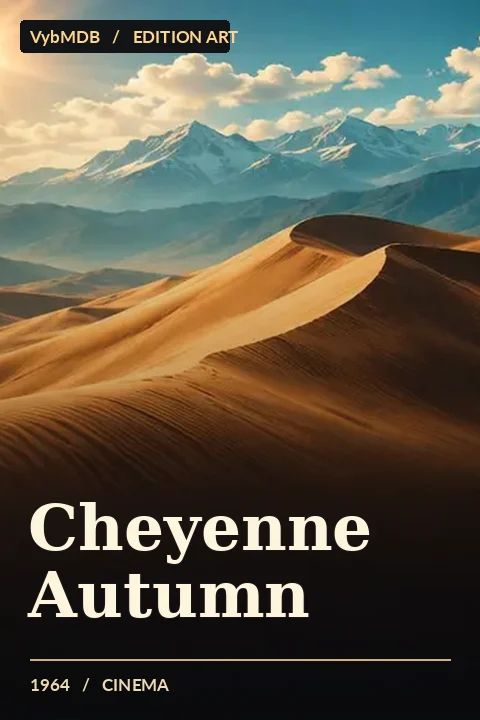
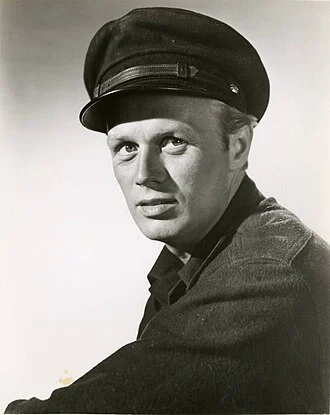
Cheyenne Autumn is a 1964 American epic Western film starring Richard Widmark, Carroll Baker, James Stewart, and Edward G. Robinson. It tells the story of a factual event, the Northern Cheyenne Exodus of 1878–79, told with artistic license. The film was the last Western directed by John Ford, who proclaimed it an elegy for the Native Americans who had been abused by the U.S. government and misrepresented in numerous of his own films. With a budget of more than $4 million, the film was relatively unsuccessful at the box office and failed to earn a profit for Warner Bros. Pictures.
From Wikipedia contributors · CC BY-SACast & filmmakers
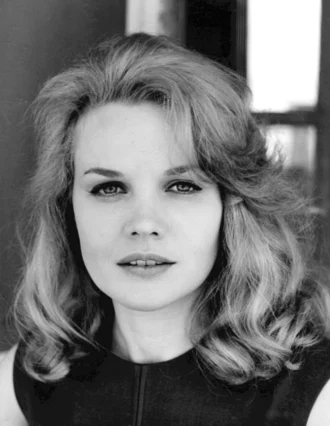
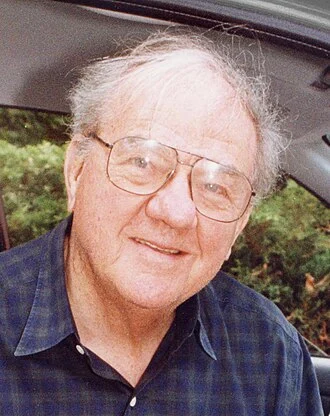

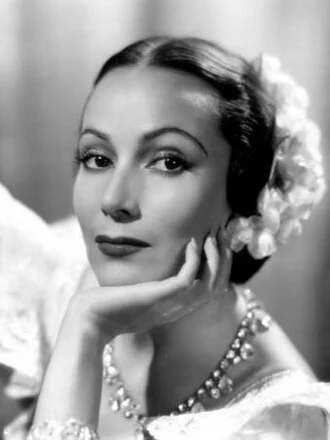
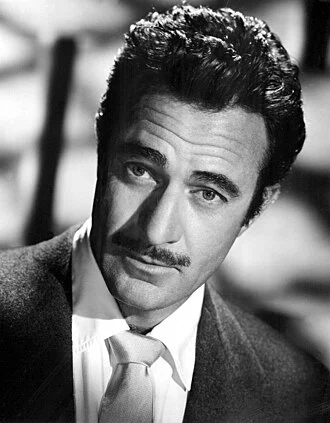
Cast and characters
- Ricardo Montalbán
- Little Wolf
- Victor Jory
- Tall Tree
- George O'Brien
- Major Braden
- Judson Pratt
- Mayor Dog Kelly
- Carmen D'Antonio
- Pawnee Woman
- Ken Curtis
- Joe
Behind the film
Storyline (spoilers)
In 1878, the surviving Cheyenne natives have migrated 1,500 miles (2,414 km) from their Yellowstone homeland. At her Oklahoma homestead, their plight is witnessed by Deborah Wright, a Quaker school teacher, who takes the Cheyenne children as her students. Their trek has been accompanied by a United States Army cavalry troop headed by Captain Thomas Archer, who is engaged to Deborah. Nearby, the Cheyenne natives and Archer's troops are waiting for a congressional committee sent by the Bureau of Indian Affairs (BIA), but are informed by letter that their trip has delayed and are staying at Fort Reno.
Development
John Ford long wanted to make a movie about the Cheyenne exodus, telling future director Peter Bogdanovich during filming: "I had wanted to make it for a long time. I've killed more Indians than Custer, Beecher and Chivington put together, and people in Europe always want to know about the Indians. There are two sides to every story, but I wanted to show their point of view for a change." He became interested after reading Mari Sandoz's book Cheyenne Autumn when it was published in 1953. As early as 1957, he wrote a treatment with screenwriter Dudley Nichols and then his son Patrick Ford, after filming The Searchers (1956). Early drafts of the script drew inspiration from Sandoz's book and Howard Fast's 1941 novel The Last Frontier. However, the film rights to Fast's novel were unavailable as Columbia Pictures had acquired them for Sidney Buchman.
Filming
Principal photography began on September 23, 1963. Several weeks were spent filming in Monument Valley Tribal Park on the Arizona-Utah border, where Ford had filmed scenes for many of his earlier films, especially Stagecoach (1939) and The Searchers (1956). Parts of the film also were shot at the San Juan River at Mexican Hat, Professor Valley, Castle Valley, the Colorado River, Fisher Canyon, and Arches in Utah.
Box office
By January 1966, Cheyenne Autumn earned $3.5 million in anticipated box office rentals from the United States and Canada. It ultimately earned $6.3 million worldwide, in which it lost $5.7 million.
Awards
Cheyenne Autumn was nominated for Academy Award for Best Cinematography – Color, but it lost to My Fair Lady. Gilbert Roland was nominated for a Golden Globe Award for Best Supporting Actor – Motion Picture, but lost to Edmond O'Brien in Seven Days in May (1964).
Directed by
Cast
Title details
- Release year
- 1964
- Runtime
- 151 min
- Distributors
- Netflix, Warner Bros. Entertainment
- Genres
- Western
Awards and nominations
Nominations (1)
- Academy Award for Best Cinematography, Color