Overview
City Lights is a 1931 American synchronized sound romantic comedy-drama film written, produced, directed by, and starring Charlie Chaplin. While the film has no audible dialog, it was released with a synchronized musical score with sound effects. The story follows the misadventures of Chaplin's Tramp as he falls in love with a blind woman (Virginia Cherrill) and develops a turbulent friendship with an alcoholic millionaire (Harry Myers). Although talking pictures (or films with recorded dialogue) were on the rise when Chaplin started developing the script in 1928, he decided to continue working without dialogue only incorporating sound with the use of a synchronized musical score with sound effects. Filming started on December 27, 1928 and ended in September 1930. City Lights marked the first time Chaplin composed the film score to one of his productions and it was written in six weeks with Arthur Johnston. The main theme, used as a leitmotif for the blind flower girl, is the song "La Violetera" ("Who'll Buy my Violets") from Spanish composer José Padilla. Chaplin lost a lawsuit to Padilla for not crediting him. City Lights was immediately successful upon release on March 7, 1931, with positive reviews and worldwide rentals of more than $4 million. Today, many critics consider it not only the highest accomplishment of Chaplin's career, but one of the greatest films of all time. Chaplin biographer Jeffrey Vance believes "City Lights is not only Charles Chaplin's masterpiece; it is an act of defiance" as it premiered four years into the era of sound films which began with the premiere of The Jazz Singer (1927). In 1949, the critic James Agee called the film's final scene "the greatest single piece of acting ever committed to celluloid". In 1991, the Library of Congress selected City Lights for preservation in the United States National Film Registry as being "culturally, historically, or aesthetically significant". In 2007, the American Film Institute ranked it 11th on its list of the best American films ever made. As a published work from 1931, City Lights will enter the American public domain on January 1, 2027.
From Wikipedia contributors · CC BY-SACast & filmmakers
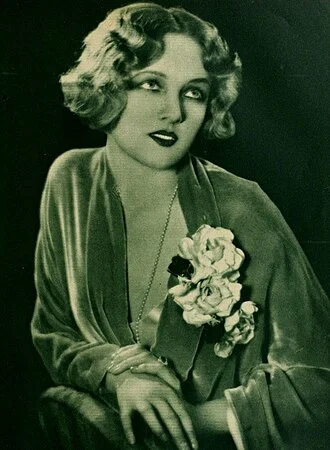
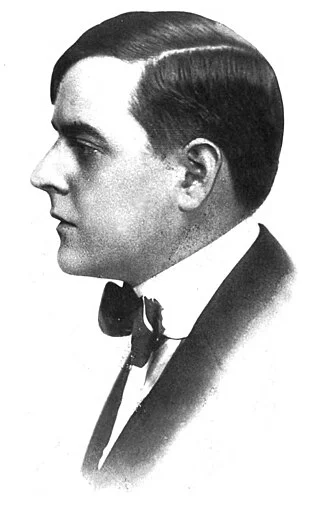
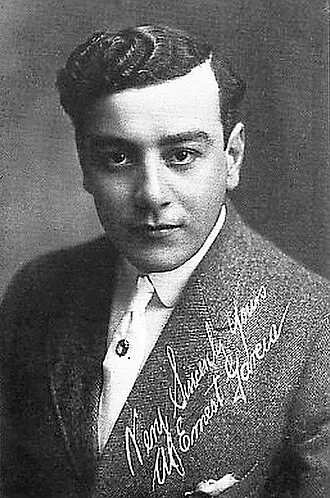
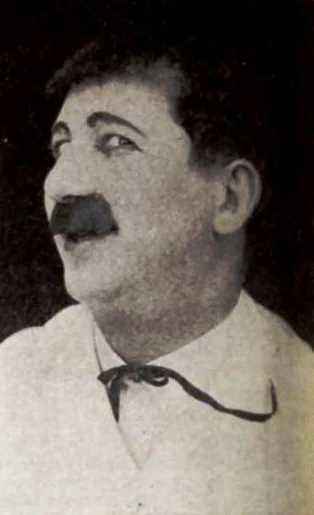
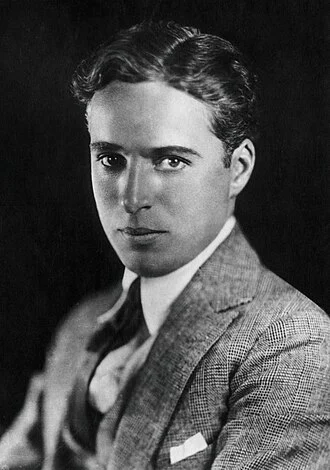
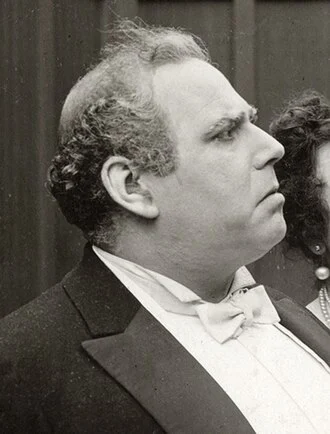
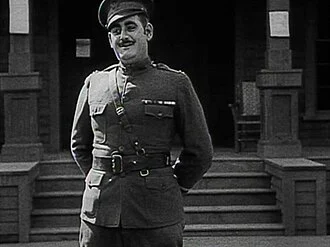
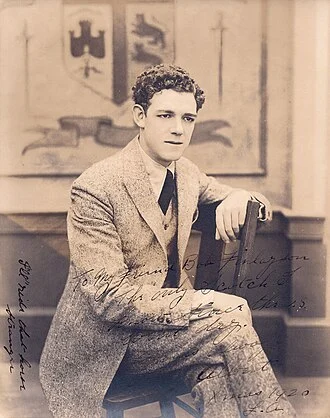
Cast and characters
- Jean Harlow
- an extra in nightclub scene
Behind the film
Storyline (spoilers)
The unveiling of a new monument to "Peace and Prosperity" reveals the Little Tramp asleep in the lap of one of the sculpted figures. He escapes the assembly's fury and roams the city.
Awards
In 1952, Sight and Sound magazine revealed the results of its first poll for "The Best Films of All Time"; City Lights was voted #2, after Vittorio DeSica's Bicycle Thieves. In 2002, City Lights ranked 45th on the critics' list. That same year, directors were polled separately and ranked the film as 19th overall.
Directed by
Cast
Title details
- Release year
- 1931
- Runtime
- 87 min
- Distributors
- Netflix, United Artists
- Content rating
- G
- Genres
- Comedy, Drama, Silent, Romance
Awards and nominations
Awards received (1)
- National Board of Review: Top Ten Films