Overview
Event Horizon is a 1997 science fiction horror film directed by Paul Anderson and written by Philip Eisner. The film stars Laurence Fishburne, Sam Neill, Kathleen Quinlan, and Joely Richardson. Set in 2047, it follows the crew of the rescue vessel Lewis and Clark, led by Captain Miller (Fishburne), who are sent to investigate the Event Horizon, a spaceship that mysteriously vanished seven years prior during its maiden voyage to Proxima Centauri and has reappeared in orbit around Neptune. Accompanied by the ship's designer, Dr. Weir (Neill), they board the derelict ship to search for survivors and determine what happened after its experimental gravity drive, meant for faster-than-light travel by folding space-time, was activated. Eisner conceived the story in the early 1990s and completed a first draft in 1992. After Mortal Kombat (1995), Anderson sought a darker, more visceral project and took Paramount Pictures' offer of Event Horizon once Soldier (1998) was delayed. Finding the original script too similar to Alien (1979), Anderson worked with Eisner to reorient the story, introducing influences from Solaris (1972) and Hellraiser (1987). Principal photography took place entirely at Pinewood Studios in England from 18 November 1996 to 14 March 1997 as an American–British co-production, with an estimated budget of $50–70 million. Paramount compressed the schedule after Titanic was delayed, leaving little time for post-production and moving the release date earlier. At Paramount's insistence, the original 130-minute cut was reduced to 96 minutes after test audiences reacted poorly to its graphic content. Event Horizon premiered in Beverly Hills on 12 August 1997, and was released in the United States on 15 August and in the United Kingdom one week later. Paramount distributed the film in the United States and Canada, while United International Pictures distributed it internationally. Critical reception was generally unfavourable, with reviewers frequently calling it superficial and derivative. The film was a box-office bomb, grossing $47.1 million worldwide; early in its theatrical run, Paramount's parent company, Viacom, wrote it off as a major loss. Commentators have attributed its failure in part to its late-summer release against lighter science-fiction hits such as Men in Black and to marketing that targeted hardcore science-fiction fans rather than horror enthusiasts, which may have weakened its broader appeal. The film later found a cult following on home video. The success of its initial DVD release prompted Paramount to discuss a director's cut with Anderson, but most of the deleted footage had been lost or destroyed. It has since been reappraised, appearing on lists of the best horror films of all time, and influencing many subsequent science fiction and horror films and video games. In 2025, IDW Publishing began publishing the comic-book prequel series Dark Descent; a sequel series, Inferno, followed in 2026.
From Wikipedia contributors · CC BY-SACast & filmmakers
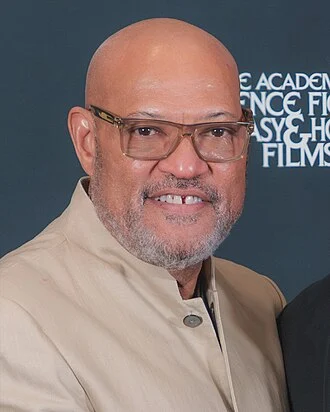
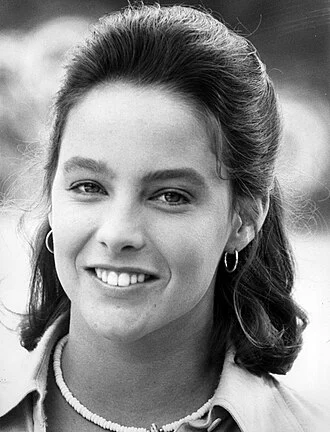
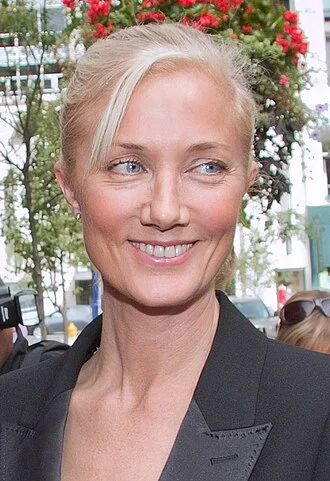
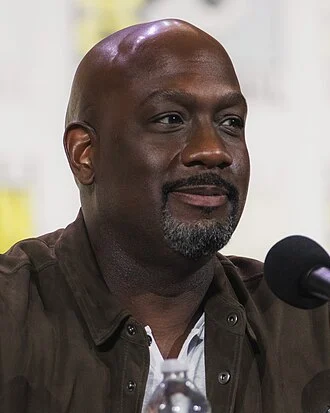
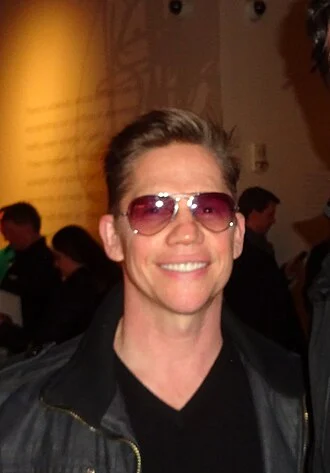
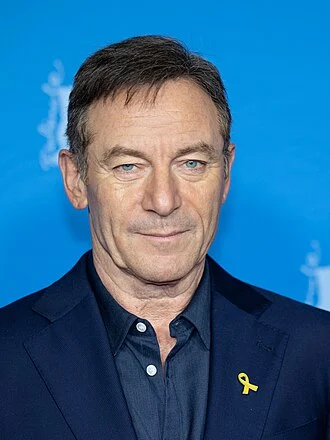
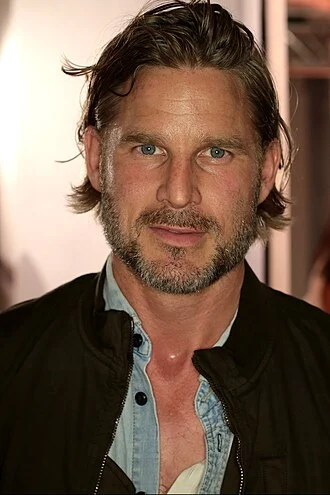

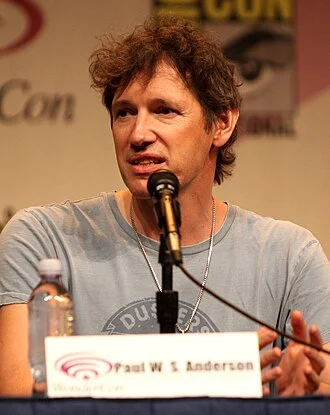
Cast and characters
- Barclay Wright
- Denny Peters
- Robert Jezek
- Rescue 1 Technician
- Peter Marinker
- Captain John Kilpack
- Holley Chant
- Claire
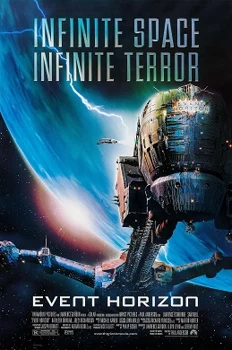
Film poster
The spacecraft stands nearly upright against a bright arc of blue light.
Poster source · Vybpedia article · Film publicity artworkBehind the film
Storyline (spoilers)
In 2047, a distress signal is received from the Event Horizon, a spaceship that disappeared during its maiden voyage to Proxima Centauri seven years earlier. The ship has mysteriously reappeared in orbit around Neptune, prompting the US Aerospace Command to dispatch the Lewis and Clark rescue vessel to investigate. Its crew members—Captain Miller, second-in-command Lieutenant Starck, pilot Smith, medical technician Peters, engineer Justin, doctor D.J., and rescue technician Cooper—are joined by Dr. William Weir, who designed the Event Horizon. Shortly before arrival at the Event Horizon, Weir briefs them on the ship's experimental gravity drive with a simple visualization of how it folds spacetime to instantly transport the ship across vast distances. He then plays them the distress signal, which consists of screams, howls, and what sounds like a voice. D.J. recognizes it as the Latin phrase , which he translates as "save me".
Development
After Mortal Kombat (1995) was a commercial success in the United States, English director Paul Anderson was inundated with screenplay offers, as well as the opportunity to direct the Mortal Kombat sequel Mortal Kombat Annihilation (1997) and the upcoming X-Men (2000). He turned down the offers in favor of making an R-rated horror film, wanting to shift away from making another PG-13 film. According to Eisner, he first pitched its concept to Gordon as a "haunted house story in space", which the producer thought had potential: "Luckily", said Eisner, "he liked the idea enough to trust me to do it." Anderson also said that the science fiction film Solaris (1972) was an inspiration for Event Horizon.
Box office
Event Horizon was released on 15 August 1997, and was a box office failure, Internationally it grossed nearly $16 million, for a worldwide total of $42 million.
Directed by
Written by
Cast
Title details
- Release year
- 1997
- Release date
- 1997-08-15
- Runtime
- 96 min
- Production companies
- Paramount Pictures
- Distributors
- Paramount Pictures
- Content rating
- R
- Genres
- Science Fiction, Horror
- Language
- English
- Country of origin
- United States of America, United Kingdom