Overview
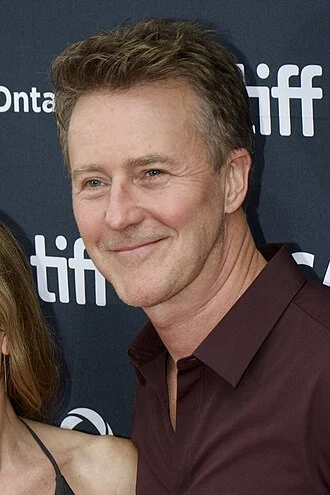
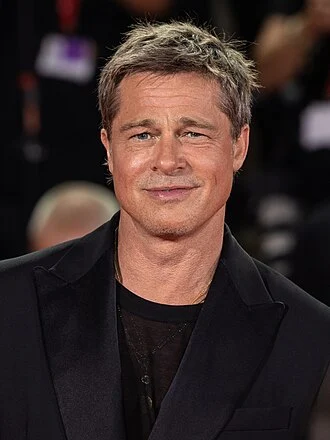
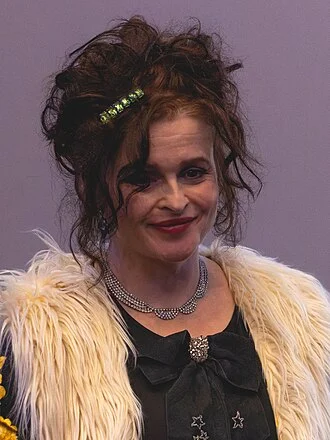
Fight Club is a 1999 American film directed by David Fincher starring Brad Pitt, Edward Norton, and Helena Bonham Carter. It is based on the 1996 novel Fight Club by Chuck Palahniuk. Norton plays the unnamed narrator, who is discontented with his white-collar job. He forms a "fight club" with a soap salesman, Tyler Durden (Pitt) and becomes embroiled with an impoverished but beguiling woman, Marla Singer (Bonham Carter). Palahniuk's novel was optioned by Fox 2000 Pictures producer Laura Ziskin, who hired Uhls to write the film adaptation. Fincher was selected because of his enthusiasm for the story. He developed the script with Uhls and sought screenwriting advice from the cast and others in the film industry. It was filmed in and around Los Angeles from July to December 1998. He and the cast compared the film to Rebel Without a Cause (1955) and The Graduate (1967), with a theme of conflict between Generation X and the value system of advertising. Studio executives did not like the film and restructured Fincher's intended marketing campaign to try to reduce anticipated losses. Fight Club premiered at the 56th Venice International Film Festival on September 10, 1999, and was released in the United States on October 15, 1999, by 20th Century Fox. The film failed to meet the studio's expectations at the box office and polarized critics. It was ranked as one of the most controversial and talked-about films of the 1990s. However, Fight Club later found commercial success with its home video release, establishing it as a cult classic and causing media to revisit the film. In 2009, on its tenth anniversary, The New York Times dubbed it the "defining cult movie of our time".
From Wikipedia contributors · CC BY-SACast & filmmakers
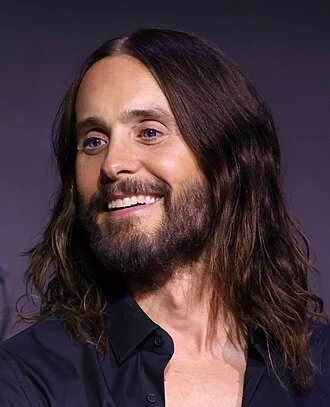
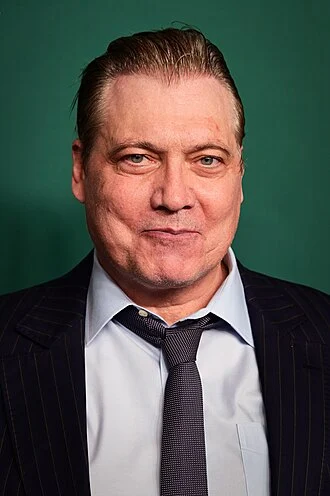

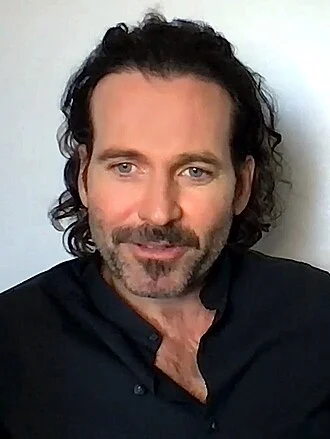

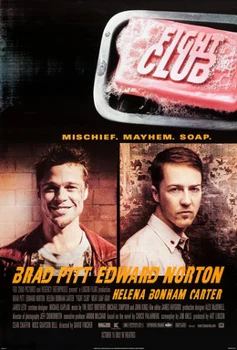
The theatrical poster
A pink bar of soap sits above two square portraits and carries the title itself. The product-like presentation makes the incongruity of those battered faces particularly effective.
Poster source · Vybpedia article · Film poster artworkBehind the film
Storyline (spoilers)
The unnamed narrator is an insomniac dissatisfied with his job and lifestyle. As a form of therapy, he attends support groups for problems he does not have, such as alcoholism and testicular cancer. Here, he finds emotional release in expressions of vulnerability, until he encounters another impostor, Marla Singer. After a confrontation, the two agree to attend different groups.
Development
The novel Fight Club by Chuck Palahniuk was published in 1996. Before its publication, a Fox Searchlight Pictures book scout sent a galley proof of the novel to creative executive Kevin McCormick. The executive assigned a studio reader to review the proof as a candidate for a film adaptation, but the reader discouraged it. McCormick then forwarded the proof to producers Lawrence Bender and Art Linson, who also rejected it. Producers Josh Donen and Ross Bell saw potential and expressed interest. They arranged unpaid screen readings with actors to determine the script's length and an initial reading lasted six hours. The producers cut out sections to reduce the running time and they used the shorter script to record its dialogue. Bell sent the recording to Laura Ziskin, head of the division Fox 2000 Pictures, who listened to the tape and purchased the rights to Fight Club from Palahniuk for $10,000.
Filming
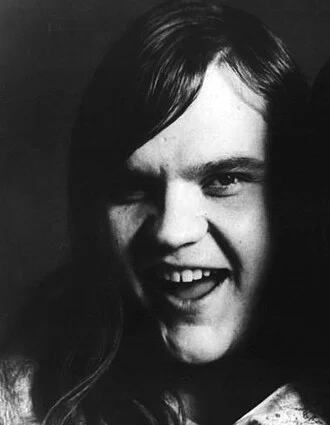
Studio executives Mechanic and Ziskin planned an initial budget of $23 million to finance the film, The final production budget was $63–65 million. Makeup artist Julie Pearce, who had worked for Fincher on the 1997 film The Game, studied mixed martial arts and pay-per-view boxing to portray the fighters accurately. She designed an extra's ear to have cartilage missing, inspired by the boxing match in which Mike Tyson bit off part of Evander Holyfield's ear. Makeup artists devised two methods to create sweat on cue: spraying mineral water over a coat of Vaseline and using the unadulterated water for "wet sweat". Meat Loaf, who plays a fight club member who has "bitch tits", wore a 90-pound (40 kg) fat harness that gave him large breasts.
Visual effects
Fincher hired visual effects supervisor Kevin Tod Haug, who worked for him on The Game, to create visual effects for Fight Club. Haug assigned the visual effects artists and experts to different facilities that each addressed different types of visual effects: CG modeling, animation, compositing and scanning. Haug explained, "We selected the best people for each aspect of the effects work, then coordinated their efforts. In this way, we never had to play to a facility's weakness." Fincher visualized the Narrator's perspective through a "mind's eye" view and structured a myopic framework for the film audiences. Fincher also used previsualized footage of challenging main-unit and visual effects shots as a problem-solving tool to avoid making mistakes during the actual filming.
Awards
Fight Club was nominated for the 2000 Academy Award for Best Sound Editing, but it lost to The Matrix. Bonham Carter won the 2000 Empire Award for Best British Actress. The Online Film Critics Society also nominated Fight Club for Best Film, Best Director, Best Actor (Norton), Best Editing and Best Adapted Screenplay (Uhls). Though the film won none of the awards, the organization listed Fight Club as one of the top ten films of 1999. The soundtrack was nominated for a BRIT Award, losing to Notting Hill.
Directed by
Written by
Cast
Title details
- Release year
- 1999
- Release date
- 1999-09-10
- Runtime
- 139 min
- Production companies
- 20th Century Studios, Regency Enterprises
- Distributors
- Disney+, InterCom
- Content rating
- R
- Genres
- Thriller
- Language
- English
- Country of origin
- United States of America, Germany
Awards and nominations
Awards received (5)
- Empire Awards, UK for best british actress
- Jupiter Award
- Online Film & Television Association Award
- Online Film Critics Society Awards
- Total Film Magazine Award
Nominations (1)
- Academy Award for Best Sound Editing
 Trailer still