Overview
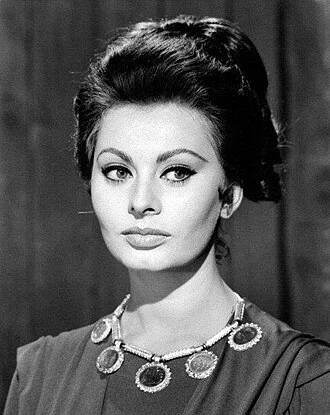
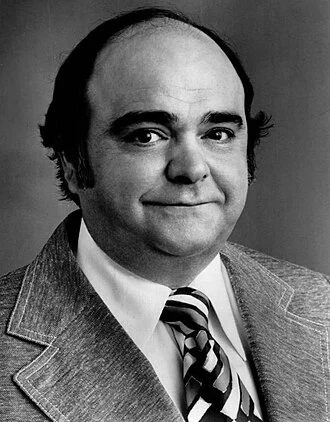
Man of La Mancha is a 1972 film adaptation of the Broadway musical Man of La Mancha by Dale Wasserman, with music by Mitch Leigh and lyrics by Joe Darion. The musical was suggested by the classic novel Don Quixote by Miguel de Cervantes, but more directly based on Wasserman's 1959 non-musical television play I, Don Quixote, which combines a semi-fictional episode from the life of Cervantes with scenes from his novel. Though financed by Italian producer Alberto Grimaldi and shot in Rome, the film is in English, with all principal actors either British or American, excepting Sophia Loren. (Gino Conforti, the Barber, is an American of Italian descent.) The film was released by United Artists and is known in Italy as L'Uomo della Mancha. Produced and directed by Arthur Hiller, the film stars Peter O'Toole as both Miguel de Cervantes and Don Quixote, James Coco as both Cervantes' manservant and Don Quixote's "squire" Sancho Panza, and Sophia Loren as scullery maid and prostitute Aldonza, whom the delusional Don Quixote idolizes as Dulcinea. Gillian Lynne staged the film's choreography and fight scenes.
From Wikipedia contributors · CC BY-SACast & filmmakers
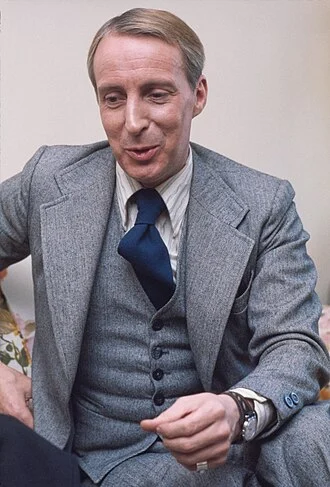
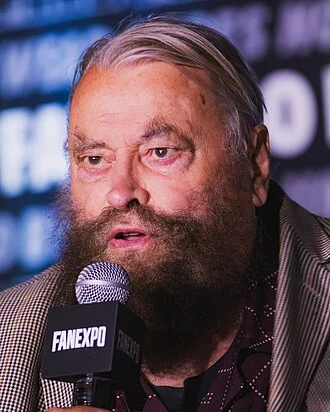
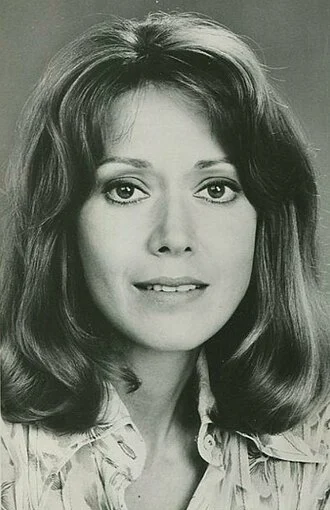
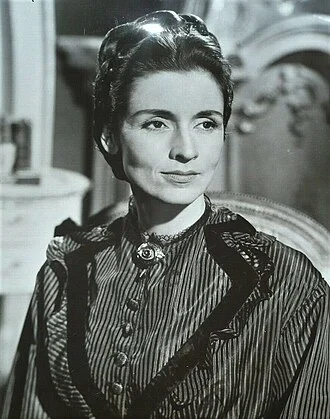
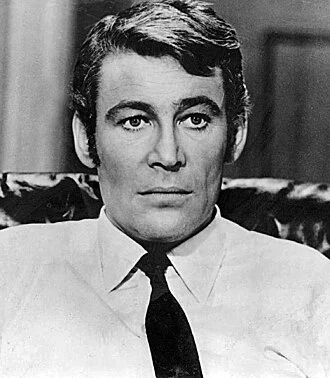
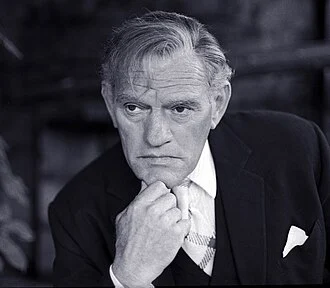
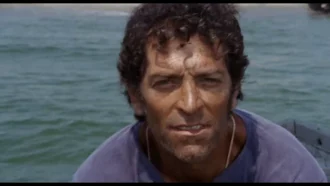
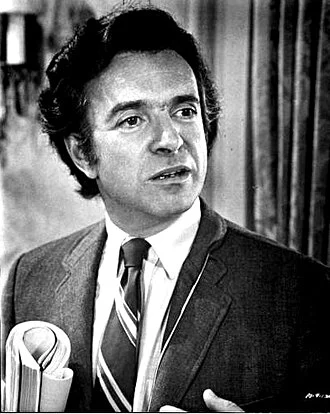
Cast and characters
- Dorothy Sinclair
- The Innkeeper's wife
- Miriam Acevedo
- Fermina
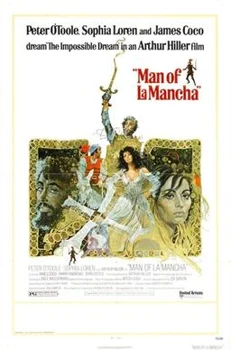
Film poster
The mounted knight raises one arm above a cluster of finely drawn faces.
Poster source · Vybpedia article · Film publicity artworkBehind the film
Storyline (spoilers)
As Miguel de Cervantes and his manservant wait to be called before the Spanish Inquisition for putting on a play critical of the tribunal, his fellow inmates subject him to a sham trial of their own in order to justify taking all of the possessions he has with him. Only concerned about the fate of a manuscript, Cervantes mounts his defense in the form of a play, in which he takes the role of Alonso Quijana, an elderly gentleman who has lost his mind and now believes he should go forth as a knight-errant to right the wrongs of the world. Quijana renames himself Don Quixote de La Mancha and sets out with his "squire", Sancho Panza, attacking a windmill he thinks is a giant, and going to an inn, where he meets, woos, and tries to save Aldonza, a world-weary serving wench and prostitute, who he sees as the ideal woman and calls Dulcinea.
Development
In 1967, United Artists paid more than $2.25 million for film rights to Man of La Mancha, the second-highest amount ever paid for the rights to a musical play, behind only the $5.5 million that Warner Bros. paid for the rights to My Fair Lady. In addition to the initial outlay, UA agreed to pay 25% of the gross, if the gross exceeded 2.5-times the negative cost and there were at least $0.5 million in album sales. the film had a troubled production history. Originally, Wasserman, composer Mitch Leigh (as associate producer), and Albert Marre (who had directed the original show, but had never before directed a film), were hired to make the motion picture, and original cast stars Richard Kiley and Joan Diener were screen tested in anticipation of repeating their stage roles on film.
Box office
Man of La Mancha topped the US box office. After two weeks in 19 cities, it grossed $942,487. Following the 1972 Christmas season, Man of La Mancha continued its theatrical run well into 1973, and it earned an estimated $3.8 million in rentals in the United States and Canada.
Directed by
Written by
Cast
Title details
- Release year
- 1972
- Release date
- 1972-12-11
- Based on
- Don Quixote, Man of La Mancha
- Distributors
- Netflix, United Artists
- Content rating
- PG
- Genres
- Musical
- Language
- English
- Country of origin
- United States of America, Italy
Awards and nominations
Awards received (1)
- National Board of Review: Top Ten Films
Nominations (1)
- Academy Award for Best Original Song Score